
Restaurant Reviews
Featured Articles
Our most popular and trending reads
THE QUIET REBELLION
I built my media company in Pakistan when everyone told me not to. Pakistan’s youth proved them wrong.When I told people I was building my media company in Pakistan, the warnings came fast.Be careful.Why would you do that?Do you have security?My followers acted like I’d announced I was relocating to an active war zone. Some of them literally thought I was going to Afghanistan.One message said: “You’re a Gora. Be careful out there.”For those who don’t know: gora is a slang term some Pakistanis use for white foreigners. And yes, I’m very white. Italian-Canadian. Loud. Zero filter. I stand out. I don’t blend. I’m not mysterious. I’m not subtle. I’m a walking neon sign.But here’s what those warnings ignored: I’d been working with fourteen Pakistanis for a year and a half. Remotely. Building my company from Canada while they built it from Lahore and Islamabad. Day after day. Deadline after deadline. They showed up early, stayed late, pushed back when I was wrong, and delivered work that was better than anything I’d paid for in Toronto or New York.So I came to Pakistan to meet the people who were already building my company.What I found wasn’t what North America thinks Pakistan is.It was a country in the middle of a quiet revolution—economic, generational, personal—and the West is too busy clinging to its old story to notice.The Flight Everyone QuestionedThe warnings started the moment I booked the ticket.Friends: “Have you told your family?”My mother: “Why can’t you run it from here?”Random people online: “Do you have a security detail?”The subtext was always the same: Pakistan is dangerous. Pakistan is backwards. Pakistan is a place people like me don’t belong.I get why people think that. The narrative has been sold for decades: Pakistan equals instability. Terrorism. Poverty. Religious extremism. A place to fear, not a place to build.But fear based on what?None of the people messaging me had been there. None of them had worked with Pakistanis. They were reacting to a story they’d absorbed, not a reality they’d experienced.I’d spent eighteen months working with my team through Zoom calls and What’s App messages—watching them solve problems, build systems, ship product, and handle pressure with the kind of calm competence that makes you realize how much of North American “professionalism” is just performance. I knew what they could do.What I didn’t know was who they were beyond the screen.So I went.And the moment I landed, I realized how much of what we’re told about Pakistan is less about Pakistan—and more about the West needing somewhere to project its fear.I Didn’t Do Pakistan a FavorLet me be clear about something before we go any further: I didn’t build my company in Pakistan out of charity. I didn’t do it because I’m noble. I didn’t do it because I wanted to “help.”I built here because the talent is better—and North America is pricing itself out of relevance.Here’s the math that no one wants to discuss at dinner parties:In late 2025, the United States imposed a $100,000 fee tied to new H-1B visa petitions. One hundred thousand dollars to hire a single skilled foreign worker—on top of the existing filing costs.The stated goal was to force American companies to hire Americans instead of foreign workers.The real result is a brain drain with consequences no one wants to own.A huge share of H-1B holders are Indian and Pakistani professionals—software engineers, data scientists, doctors, researchers, the kind of people who built the modern economy. People with graduate degrees and specialized skills. People American companies depend on.And when you make it that expensive—or that humiliating—to hire them, you don’t suddenly create a domestic workforce overnight.You just push talent away.Canada tried to capitalize on that shift. But Canada is also becoming unlivable for many people. The cost of living is punishing. Housing is obscene. Winters are brutal. And immigrants get tired of being treated like they should be grateful for the privilege of enriching a country that still keeps them slightly outside the circle.So people go home.And here’s the part North America still isn’t saying out loud: Pakistan is ready for them.The Economy We Refuse to SeeThe numbers don’t lie, even when the narrative does.In October 2025, Pakistan’s IT exports hit a record $386 million in a single month.Pakistan’s broader targets are even more ambitious: multi-billion-dollar annual IT exports now, with a stated push toward $10 billion in the coming years.Pakistan has a deep pool of English-speaking IT and business-process professionals, and tens of thousands of new tech graduates each year trained in the same languages and frameworks Silicon Valley uses: Python, JavaScript, React, Node, backend systems, full-stack engineering. This isn’t “cheap labor.” It’s modern talent.And yes—Pakistan’s developers cost dramatically less than North American developers.Not because they’re less skilled.Because currency exchange rates make the same work cheaper in dollars. Because a massive, young workforce creates scale. Because Pakistan’s economic instability—devastating for everyday people—has created a brutal reality: their world-class skill is undervalued in Western currency.The work is the work. The quality is the quality. The only thing that changes is what the West pays for it.And while the West argues about immigration, Pakistan keeps building.Large multinational companies have long had operations in Pakistan—real engineering, consulting, and R&D work. Not the caricature of “call centers reading scripts.” Actual technical infrastructure.So when Western companies can’t bring talent in, they don’t stop needing the talent.They move the work out.Which means Pakistan gains economic power while North America pays them to do it.I didn’t do Pakistan a favor by building my company here.Pakistan made my business possible.My TeamI landed in Lahore on a Sunday Evening.The air was warm, even in January. The city hit me immediately: the hum of traffic, the honking, the street vendors, the call to prayer echoing in the distance. Lahore didn’t feel like a place people were “surviving.” It felt like a place that was alive—messy, loud, layered, and moving.My CTO and my assistant met me at the airport in Lahore. They’d hired a driver—steady, unbothered, navigating the city with the kind of calm that comes from knowing exactly where you are.I was only in Pakistan for three days. Lahore was my entire world during that time.We didn’t go straight to the hotel. We went to dinner.They took me to the Lahore Polo Club, and it immediately dismantled whatever expectations I’d arrived with. The grounds were immaculate. Green, expansive, elegant. It felt layered—historical without being stuck, refined without trying to impress.The food was exceptional. Deeply flavored, intentional, generous. The kind of meal that makes you question how often you’ve accepted “good enough” elsewhere without realizing it.But what stayed with me most wasn’t the food.It was the atmosphere.The service wasn’t performative. The staff weren’t rushing or resentful or going through motions. There was pride there. Ease. A sense that they belonged to something that worked.It was my first real moment of dissonance. Pakistan wasn’t matching the story I’d been told.Before we talked about work—before platforms, logistics, timelines—I gave them the floor.And that mattered.They were honest with me in a way that took courage.They told me they were scared.Not of the work. Not of the ambition. But of what Between the Covers represents.BTC is real. It speaks the truth. And in Canada, that truth includes conversations around LGBTQ identities, cannabis, bodily autonomy, and systems that don’t align neatly with Pakistani culture or religion.They worried about what it would mean to bring a magazine known for honesty into a context where honesty carries different risks. Different responsibilities. Different consequences.They weren’t asking me to dilute BTC. They weren’t asking me to censor it.They were asking whether BTC Pakistan would listen before it spoke.That conversation mattered more than any strategy meeting could have.We talked about Pakistan having one of the largest youth populations in the world. About how young people here are deeply aware of global conversations—but also deeply rooted in faith, family, and cultural responsibility. About how many Pakistanis leave to work in Dubai or abroad, and how many come back not because they failed—but because they want to build something at home.And that’s when the direction of BTC Pakistan became clear.Pakistan doesn’t need a magazine for women aged 35 to 65 modeled on Western exhaustion. That story doesn’t fit here.BTC Pakistan will be younger.It will speak to a generation navigating ambition, belief, identity, economics, and change—often all at once. A generation that is educated, globally fluent, politically aware, and deeply conscious of its cultural and religious frameworks.This isn’t about importing Canadian conversations and forcing them onto a different society.It’s about creating a platform that reflects the reality Pakistani youth are already living—their questions, their pressures, their hopes, their contradictions.I wasn’t there to tell them what BTC Pakistan would be.I was there to listen to what it needed to be.That conversation—open, careful, honest—was its own kind of rebellion. Not loud. Not performative. Just people choosing integrity over convenience.And it set the tone for everything that comes next.The Generation North America IgnoresPakistan has one of the largest youth populations in the world. Roughly two-thirds of the country is under 30.Think about that.A country the West writes off as “dangerous” is mostly young—ambitious, impatient, educated, connected, and done waiting for permission.And they’re not just building apps and startups. They’re pushing for accountability. For change. For a democracy that functions.In 2025, Pakistan’s youth showed up again and again despite arrests, internet shutdowns, suspended mobile service, and state pressure designed to exhaust them.They kept showing up.Imran Khan—former cricket star, former prime minister—has been in prison since 2023, serving multiple sentences on corruption charges he says are politically motivated. His supporters argue the same. And international scrutiny has intensified around reports of detention conditions.Whether you love him or hate him, his imprisonment has become a symbol: for political suppression, for institutional power, for the cost of dissent.And young Pakistanis understand that symbolism.My team is part of this generation.We don’t sit around debating politics in meetings. That’s not my lane and not my right to center. But I see something political in how they work: the conviction. The insistence that the future can be built, not begged for.In Toronto, young people are exhausted. Burned out. They’ve been sold hustle culture, then priced out of the life hustle promised. They’re working harder for less and being told to “practice gratitude” for the privilege.In Pakistan, young people are exhausted too—but in a different way.They’re tired of being underestimated.So they build anyway.What I Found in PakistanI met two Types Pakistans.The first is the one the West rarely acknowledges: old money and young millionaires. Families who built empires. Entrepreneurs who run logistics, textiles, tech, real estate. People living lives Canadians assume only exist in Dubai or London. Beautiful homes. Impeccable food. A level of luxury that makes Toronto look modest.I had dinner with a family connected to major industry. The house was marble and light. Art on walls that belonged in galleries. The meal served with a kind of ritual seriousness that made me want to straighten my posture.We talked about supply chains and global markets and the way Pakistan is positioned in a world that loves using Pakistan for labor but refuses to give Pakistan credit for competence.The patriarch, in his sixties and sharp as hell, said something I couldn’t stop thinking about:“The West thinks we need them. We don’t. They need us. They just haven’t realized it yet.”The second Pakistan is the one the West uses as its whole story: young people who want change, who want freedom, who want the right to speak without being punished for it. People who are brilliant and ambitious and working nonstop—and still struggling because systems are inconsistent, corruption is real, inflation is brutal, and opportunity doesn’t always match effort.Both Pakistans exist. Both are real. And that’s what the West refuses to do: hold complexity.We want simple narratives. Pakistan is either a dangerous hellscape or an undiscovered paradise.But Pakistan is complicated. Like every place that’s alive.The Hospitality North America MisunderstandsI stayed at Lahore Grande, a boutique hotel in Lahore. The owner, Aisha, made me feel at home in a way that didn’t feel like service.Within a day, she knew how I took my coffee. She knew I worked late and slept in. She knew I was constantly in motion, constantly thinking, constantly half-stressed even when I’m pretending I’m not.Every morning, she asked about my plans. If I mentioned wanting to see something, it was arranged. If I looked tired, tea appeared. If I came back frustrated, someone noticed before I had to say anything.One night, I returned to the hotel carrying the kind of tension you can’t hide. A meeting earlier that day hadn’t gone the way I’d hoped. Decisions were heavier than they’d felt that morning. The familiar questions had started looping: Was I moving too fast? Was I underestimating the risks? Was I asking too much of people I barely knew in person?I hadn’t said a word. I hadn’t complained. But somehow, it was visible anyway.Aisha noticed before I made it past the lobby.She didn’t ask what went wrong. She didn’t offer solutions. She didn’t try to fix anything. She simply asked if I wanted tea, without a word she poured it, and said quietly, “Don’t work to much.”It wasn’t dramatic. It wasn’t sentimental. It was simply true.And it landed harder than any motivational speech ever could.This is the part North America consistently misunderstands about Pakistani hospitality. We mistake it for politeness. For softness. For deference. We assume warmth means people are easy to exploit, easy to overrun, easy to take advantage of.That assumption is wrong.Hospitality in Pakistan isn’t weakness. It’s intelligence. It’s awareness. It’s a deeply ingrained understanding that people do their best work when they feel safe, seen, and respected.In North America, we perform friendliness to close deals. We smile, network, exchange cards, connect on LinkedIn, and then disappear the moment the transaction ends. Relationships are provisional. Conditional. Useful until they’re not.In Pakistan, hospitality is relational, not transactional. It’s an investment in trust. It’s the long game. It’s understanding that business, loyalty, and reputation are built through consistency—not optics.You’re welcomed not so you’ll owe something later, but so you’ll stay. So you’ll return. So you’ll build something that lasts.That night, sitting in a quiet lobby in Lahore, it became clear to me that what I was experiencing wasn’t kindness for show. It was cultural confidence. The kind that doesn’t need to announce itself. The kind that knows its value without demanding recognition for it.North America confuses loudness with strength. Pakistan understands that steadiness is power.And once you see that, you can’t unsee it.What This Means for Between the CoversI’m announcing something here that will surprise some people and make perfect sense to others:Between the Covers is expanding to Pakistan.Not just Marbella. Not just Canada. Pakistan.BTC Pakistan will launch in 2026.And before anyone asks: yes, it’s still a magazine for women. But for different reasons than Canada or Marbella.In Canada, BTC exists because women are exhausted from performing. From being told to lean in, optimize, self-care, practice gratitude, and somehow stay beautiful and productive while the world keeps extracting from them.In Marbella, BTC exists because women want luxury without the bullshit. Not aspirational branding. Not perfection theatre. Just real life with better lighting.In Pakistan, BTC will exist because women are navigating a different set of systemic barriers—and still building businesses, raising families, and shaping change inside constraints most Western women don’t have to think about.I’m not going to pretend I fully understand what Pakistani women need yet. I’ve been here once. I met incredible women—smart, ambitious, building empires while navigating restrictions I don’t face and never will.But I know this:Pakistani women don’t need me to save them. They need a platform that doesn’t patronize them.They need stories that reflect their actual lives—not the “exotic Pakistan” bullshit Western media sells. They need a magazine that understands rebellion looks different depending on what systems you’re refusing.And they need it run by Pakistanis.My team will build BTC Pakistan. Not me. I’ll fund it. Support it. Protect the vision. But Pakistani editors will run it. Pakistani writers will shape it. Because they understand the terrain in ways I never will.That’s not virtue signaling.That’s respect.The Truth About PakistanI’ve lived around the world. I’ve worked in multiple countries. I’ve seen wealth, poverty, innovation, corruption, beauty, violence.And I’m telling you: I see more truth in Pakistan than I see in North America.More directness. More genuine connection. More people who say what they mean instead of performing what they think you want to hear.In Toronto, people smile and nod and ghost you. In New York, everyone’s networking. In LA, everyone’s a brand. In Vancouver, everyone’s performing wellness while quietly falling apart.In Pakistan, when someone commits, they commit. When someone says you’re family, it often isn’t a line. When they invite you in, you’re inside. Fully.And yes—before anyone accuses me of romanticizing—Pakistan has real, severe problems. Poverty. Corruption. Political repression. Violence against women that makes my blood boil. Systems that need dismantling and rebuilding from the ground up.I’m not pretending Pakistan is perfect.I’m saying the West has decided Pakistan is only its problems—and that decision is lazy.Because while the West warns people like me not to go, Pakistan is building an economy the West now depends on.While the West clings to superiority, Pakistan’s youth are building leverage.Quietly. Strategically. Without asking for permission.The RebellionHere’s what rebellion looks like now:It’s building your company in Pakistan when everyone tells you not to.It’s highly skilled Pakistani professionals walking away from Western systems that tax their existence and returning home to build something better.It’s youth demanding accountability while also building the infrastructure of the future—one line of code, one startup, one business, one refusal at a time.It’s women navigating barriers and still building empires, raising families, and refusing silence.It’s hospitality as strategy, not weakness.It’s proving North American assumptions wrong not by arguing with them—but by outworking them.There’s a revolution happening in Pakistan. Quiet. Economic. Political. Personal.While North America was busy warning me, Pakistan was building the workforce the world now needs.I came to Pakistan expecting to meet employees.I found people building a country while the rest of the world looks away.That’s not hospitality.That’s rebellion.And Between the Covers Pakistan will tell that story.Because if there’s one thing I learned in Pakistan, it’s this: the people the West has been taught to fear are already building the future. And we’re too arrogant to see it.Between the Covers recognizes the importance of responsible storytelling and affirms that this feature is not intended to speak on behalf of Pakistani citizens, institutions, or movements. The publication respects Pakistan’s cultural, political, and social diversity and supports local editorial leadership in all regional editions.
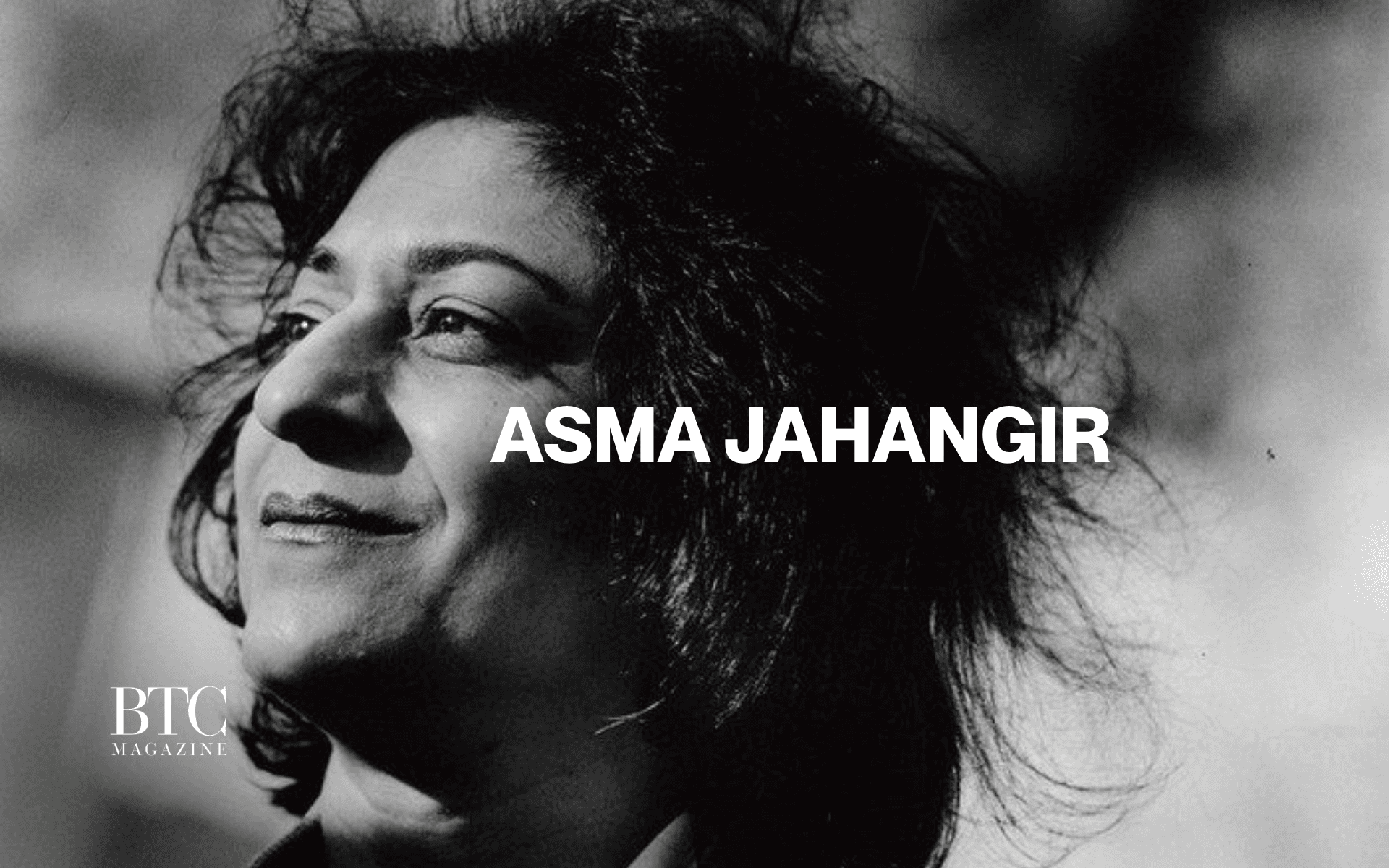
ASMA JAHANGIR: The Woman Who Said No First
Every rebellion needs an origin story. Asma Jahangir is Pakistan’s.At 18, she marched to the Supreme Court to demand her father’s release from military detention. He had been imprisoned for speaking against the government’s actions in East Pakistan—what the world would later recognize as genocide in Bangladesh. Most teenagers wouldn’t know where to begin. Asma filed a petition.She won.That victory—Asma Jilani v. Government of Punjab—became a landmark constitutional case. It established that even military governments could not detain citizens without legal justification. She was barely an adult, and she had already handed the Pakistani state its first lesson in accountability.She never stopped teaching.What She BuiltIn 1980, Asma and her sister Hina Jilani founded AGHS Legal Aid Cell—Pakistan’s first law firm run entirely by women. Their clients were the people everyone else refused: Christians facing death sentences under blasphemy laws. Women accused of adultery for being raped. Bonded laborers. Teenagers on death row. The voiceless, the erased, the inconvenient.She co-founded the Human Rights Commission of Pakistan. She co-founded the Women’s Action Forum. She became the first woman elected President of the Supreme Court Bar Association in 2010—after decades of men telling her she didn’t belong in courtrooms at all.The United Nations appointed her Special Rapporteur on Extrajudicial Executions, then Special Rapporteur on Freedom of Religion. She investigated human rights abuses in Sri Lanka, Israeli settlements, and Iran. She stood on international stages and said what needed saying, even when governments wanted her silent.Especially then.The CostIn 1983, police beat, tear-gassed, and arrested Asma during protests against laws that reduced a woman’s legal testimony to half a man’s. She was imprisoned. Then placed under house arrest. Then imprisoned again.In 1995, she defended two Christian teenagers accused of blasphemy. Mobs surrounded the courthouse. They smashed her car. They threatened her children. She sent her children abroad to keep them safe—and kept showing up to court.In 1999, a gunman walked into her office and shot a client dead. The bullet missed Hina by inches. The client, Samia Imran, had come seeking help to escape an abusive marriage. Her own family had ordered the killing.Asma didn’t stop taking cases.In 2007, Pervez Musharraf declared emergency rule and had her detained. She spent months under house arrest. In 2012, U.S. intelligence uncovered a plot by Pakistani security officials to have her assassinated.She kept going.Why She MattersAsma Jahangir didn’t just challenge laws. She challenged the assumption that laws were unchallengeable.She defended people accused of blasphemy in a country where that accusation is a death sentence—social if not legal. She fought honor killings when the culture called them tradition. She represented women accused of adultery for the crime of being raped, then watched courts overturn unjust verdicts because she refused to let them stand.She made rebellion look possible.Every woman in Pakistan who starts a business, builds a platform, or speaks without permission is walking a path Asma cleared. She didn’t do it politely. She didn’t do it quietly. She did it while governments tried to silence her, mobs tried to kill her, and critics called her a traitor.“I cannot bear to live where there is so much injustice and I cannot do something about it,” she once said. “What kind of a torturous life is that?”The InheritanceAsma Jahangir died of a heart attack on February 11, 2018. She was 66. The day before, she had spoken at a protest demanding justice for a young Pashtun man killed by police. She called the detained children of Swat “her own kids.” She was still fighting.Her name means world conqueror. Her legacy is simpler—and fiercer: she proved that one woman’s refusal to accept injustice can reshape what an entire nation believes is possible.Aleena Mohsin Mughal builds ethical fashion empires.Shameelah Ismail restructures who gets to earn.Myra Qureshi dismantles toxic beauty standards through market power.They stand on ground Asma Jahangir broke open with her bare hands.She said no first. She said no loudest. And she never, ever stopped.

The Thirty-Two: When TV Chose Kites Over Bodies
At 1:38 PM on February 6, 2026, CCTV captured the exact moment a suicide bomber detonated explosives at the Khadija Tul Kubra Mosque in Islamabad. Security guards had stopped him at the entrance. He opened fire. Then he walked into a hall packed with Shia worshippers mid-Friday prayer and blew himself up.Thirty-two people died. One hundred and seventy were injured. Glass and debris scattered across bloodied floors. Victims visible in the mosque's garden. Families running. Ambulances screaming toward hospitals already placing surgical teams on standby.And on Pakistani television? Kites.For hours after the bombing—the deadliest attack in Islamabad in seventeen years—major TV channels continued airing Basant festival programming. Celebrity interviews about kite-flying. Entertainment segments. Cheerful coverage of Lahore's spring celebration. Geo TV had actor Naeema Butt discussing Basant just as news of the blast broke.The contrast wasn't subtle. It raised a question that applies far beyond Pakistan: What does it mean when a country's major news channels continue entertainment programming while the capital buries its dead?I have a team in Islamabad. They texted me within minutes of the blast. My first instinct was to turn on the television—the way you do when something catastrophic happens, when you need to see it to believe it.Basant coverage was still running.I've seen this before. I lived in Bahrain during their internal conflict. I know what it looks like when certain communities' deaths become routine enough that regular programming continues. I know the math that gets done—consciously or not—when news organizations decide which bodies merit interrupting the schedule.My best friend is Shia. So I know what it costs to be the community that gets calculated away.This isn't theoretical for me. This is what I watched happen, again, on February 6.The Metrics That Should Have MatteredBy every traditional news standard, the Islamabad bombing should have dominated coverage:Deadliest attack in the capital since the 2008 Marriott Hotel bombingSecond major attack in three months (November courthouse bombing killed twelve)Happened during Friday prayers—maximum casualties, maximum horrorCCTV footage of the exact explosion momentISIS claimed responsibility within hoursInternational condemnation from the UN, EU, USA cousin of Islamabad's own Inspector General among the deadPakistani print media covered it extensively. Dawn ran comprehensive reporting. Express Tribune documented the aftermath. International outlets from Al Jazeera to CNN to the Washington Post covered it immediately.But in Pakistan, television is how most people consume news. And for hours, television showed kites.Were editors waiting for verified information? Avoiding broadcasting graphic scenes? Operating under regulatory constraints? Worried about inflaming sectarian tensions?Perhaps. But Journalism Pakistan, a media watchdog, noted that "critics linked extended entertainment coverage to commercial interests and advertising." The Islamabad Bar Association called for a day of mourning.Whatever the internal reasoning, the result was the same: viewers who turned on their TVs while the injured were still being pulled from the mosque saw spring festival coverage instead of the deadliest attack their capital had seen in nearly two decades.The Pattern That Precedes the SilencePakistan's Shia community represents about twenty percent of the population—roughly fifty million people. They've been systematically targeted for decades. ISIS explicitly stated after this attack that it views Pakistani Shias as "legitimate targets." This bombing wasn't anomalous: the 2017 shrine attack killed ninety-plus, regular attacks plague Kurram district, sectarian violence that analysts warned would "inflame tensions" continues.There's a calculation that happens—conscious or not—when news organizations decide what merits urgent coverage. Commercial considerations. Political pressure. Audience fatigue with certain types of violence. The normalization that happens when specific communities are targeted so regularly that each new massacre becomes, somehow, less newsworthy than the last.You can call this systemic bias. You can call it market forces. You can call it editorial caution. But you can't call it coverage.The Narrative That Moved FasterWithin hours, Defence Minister Khawaja Asif blamed Afghanistan and India for the attack—claims made without immediate evidence, rejected by both countries. Interior Minister Mohsin Naqvi announced four arrests including an "Afghan ISIS mastermind." The narrative took shape quickly: foreign enemies, cross-border terrorism, external threats.What got less attention: This was the second major Islamabad attack in three months. The bomber operated freely in a heavily guarded capital. When asked about security lapses, Naqvi responded that "if one blast happens, 99 others are being foiled."Al Jazeera's correspondent in Islamabad interviewed people after the bombing. "They say this is a lapse of security," he reported, "that authorities knew very well there was an imminent threat, given the fact that intelligence-based operations are going on in Balochistan and in Khyber Pakhtunkhwa province."Whether through coordination or coincidence, the extended entertainment coverage meant fewer hours of uncomfortable questions about how thirty-two people died in Friday prayers while intelligence agencies were supposedly conducting operations against known threats.It's easier to watch kites.The Mechanics of DisappearanceThis is how marginalized communities disappear in real-time. Not through dramatic censorship or obvious propaganda, but through the accumulated weight of editorial decisions that—individually—might seem defensible. Waiting for confirmation. Avoiding graphic content. Balancing competing priorities. Considering audience appetite.But when those decisions consistently result in certain communities' deaths receiving delayed or diminished coverage, the pattern reveals something darker than any single choice.The victims' families buried their dead on Saturday. Thousands gathered for funeral prayers. Coffins lined up. Mourners screaming. All of it well-documented by photographers whose images ran in international media.But for hours on February 6, while bodies were still being identified, Pakistani viewers who turned on their TVs saw entertainment programming.You could argue this was editorial judgment. Caution. Market-driven programming decisions. Fear of inflaming tensions.You could also ask: How many times does this have to happen before the pattern becomes the point?What Gets CountedThere's a reason print media covered this and television delayed. Print doesn't rely as heavily on advertising from festivals and consumer brands. Print doesn't face the same regulatory pressures. Print can afford to publish uncomfortable truths and wait for subscribers to find them.But television's reach dwarfs print's. Television shapes what most people understand as urgent, important, newsworthy. And on February 6, television made a choice about what mattered most.This matters beyond Pakistan. Every marginalized community worldwide knows this calculation. Knows their grief only becomes news when it's profitable or politically convenient. Knows that some deaths will lead broadcasts while others won't interrupt regularly scheduled programming.The mechanics aren't subtle. They're mathematical. The question is whether we're willing to name what the math reveals about whose humanity gets counted and whose gets calculated away.The Names You Don't KnowThirty-two people died on February 6. Their names were printed in Dawn, Express Tribune, international outlets. Their families held funerals while TV aired festival coverage.Analysts warned after the bombing that it could be part of a broader attempt to inflame sectarian tensions. They urged the government to take action against urban militant networks. They noted the danger of normalization.But something was already normalized: that certain deaths aren't urgent news. That commercial and political pressures can delay coverage of mass casualties. That you can have bodies in a mosque and kites on screen, and the kites win.This isn't speculation. It's what happened. The interpretation is yours.But if this pattern continues—if the next attack on a marginalized community receives the same delayed coverage while entertainment programming runs—we'll know it wasn't an aberration.It was a choice.And systems don't build themselves—but they do sustain themselves.Joseph Tito is the Editor-in-Chief of Between the Covers. He operates businesses in both Canada and Pakistan and has teams in Lahore and Islamabad.
.jpeg&w=3840&q=75)
Winning Her Way: How Melissa Grelo Redefines Success
THE NOTE WAITING IN HER HOTEL ROOMMelissa Grelo was on the brink of one of the boldest moves of her career - a wellness retreat built on her Aging Powerfully platform, the passion project she’s nurtured alongside running a podcast, parenting an 11-year-old, and hosting The Social, Canada’s most-watched daytime talk show. Her daughter, Marquesa, had tucked a note into her bag with strict instructions: Don’t open until you get there.Alone in her hotel room, minutes before leading a room full of women who’d come to learn from her and the group of experts she had curated, Melissa finally opened it. On the first page, in her daughter’s unmistakably confident handwriting:I am so proud of you.“It was a very long letter,” Melissa laughs now. “She’s a very prolific writer. Her vocabulary is fabulous.”But the message was simple: Go. Do this. I’m good. I’m cheering for you.This is what it looks like when a woman builds a life that supports her joy - and raises a daughter who sees and celebrates it.THE GAME IS RIGGED. SHE PLAYS IT ANYWAY.Let’s get something straight: Melissa Grelo hasn’t come undone. She’s building a life, a career, and a rhythm that reflect her strengths, not society’s expectations. What she has done is thrive in an industry where women, especially those on camera, still face extra layers of scrutiny: age, appearance, composure, perfection. Viewers often expect media personalities to be flawless, polished, and ever-present, even when their lives are evolving behind the scenes.And still, Melissa moves forward with clarity and confidence.When The Social finally premiered, it wasn’t just another show for her. It was something she had dreamed up, pitched, and championed for years. So even though she was only 11 weeks postpartum, she chose to be there - excited, grateful, and fully aware of the significance of stepping into a project she had helped bring to life.“I went back to work really fast after I had her,” she says calmly. Not apologizing. Not justifying. Simply acknowledging that the moment mattered to her. She wanted to show up for something she had helped build.Men call this dedication. Women are often told it’s “balance.” But the truth is simpler: Melissa followed her ambition and trusted herself.WHEN HER BODY HIT PAUSE, SHE HIT RESETA year and a half after Marquesa was born, Melissa was hosting Your Morning and The Social. Early mornings, long days, big interviews, and two live shows that demanded focus and energy. Her career was expanding quickly, and she was embracing every opportunity that came with it. Mid-flight to Calgary, her body signaled it was time to calibrate - dizziness, racing heart, the kind of symptoms that demand attention. Doctors checked her vitals: all perfect.The lesson wasn’t “slow down,” it was “support yourself.”She did exactly that. Therapy. A later call time. And a more intentional approach to her already full life.“I’m very bad at resting,” she admits with a smile. “I’ve always been foot-to-the-floor.”But instead of pushing harder, she adjusted smarter. She didn’t crumble; she evolved.THE MATH OF MODERN PARENTHOODMelissa had Marquesa at 36, and like many parents who have children later in life, she occasionally does the quiet calculations – how old she’ll be at major milestones, how life stages might line up. “Always, always,” she says. “Everybody does the math.”But here's what the math doesn't consider: wisdom. Experience. A fully formed self."What we feel like we might be behind in or losing in age, we've gained in wisdom," she says. "We're bringing a whole different self to parenting."Her daughter gets the version of Melissa who knows who she is. Who lived a full life first. Who built a career and collected stories and mistakes and victories before motherhood.This Melissa doesn't crumble when the culture whispers that she's "aging out." She launches a podcast called Aging Powerfully and fills a retreat with women who want what she's modeling: strength without shame."I'm going to be the youngest version of my age at every step of the way."CHOOSING A FAMILY PLAN THAT FITS THEIR LIFEAfter four years of fertility treatment and two clinics, Melissa conceived naturally the very summer The Social was greenlit.Later, when she and her husband Ryan discussed having a second child, they communicated honestly and without pressure.“I’m not slowing down,” she told him. “If we have another, lead caregiving will fall on you.”They talked it through. They both had ambitions. They chose one child. A thoughtful, mutual decision.No guilt. No external expectations. Just a family designing a life that makes sense for them.“I’m very proud of how I’ve navigated the challenges,” she says, recognizing her own growth and the strength in choosing intentionally.RAISING A DAUGHTER WHO KNOWS SHE BELONGSPeople often ask ambitious mothers how they teach their daughters that they can “have it all,” but Melissa reframes the question. For her, the focus is helping her daughter understand that when challenges arise, the issue isn’t her, it’s the world she’s moving through.The approach in their household is simple and open. “There are no secrets in our family,” she says. “Just living life.”Marquesa knows the real stories behind Melissa’s journey - the fertility challenges, the anxiety attack, and the truth of what ambition can cost and give. She also sees something her mother developed later in life: strong boundaries.“She has boundaries very clear in a way I didn’t figure out until my mid or late 30s,” Melissa says. “When my daughter sees me pushing myself too hard because I don’t have good boundaries, she already does.”Their connection is built in everyday moments. At bedtime, Melissa asks: “What makes you feel loved?” and “What moments matter most?” And the answers are always the same - braiding her hair, cuddling on the couch, the rituals that make her feel safe and seen.It’s presence over perfection. Consistency over performance. Love woven into the ordinary parts of life.THE COSTUME AND THE TRUTHEvery morning, Melissa puts on the polished on-air version of herself. Every night, she settles into sweatpants on the couch.“This is who I am,” she tells her daughter. “Work-Mommy is a costume.”Marquesa prefers the no-makeup version.Melissa even built a clothing line - MARQ, named after her daughter, because she wanted kids to feel free before the world labels them.“I’m not throwing gender expectations on a child who still has placenta on her,” she jokes.Their house uses RuPaul’s Drag Race and Love Island as jumping-off points for conversations about character and confidence.“What’s more important than being pretty?” Melissa asks.Marquesa never hesitates: Being smart. Being kind.CHOOSING A FAMILY PLAN THAT FITS THEIR LIFEAfter four years of fertility treatment and two clinics, Melissa conceived naturally the very summer The Social was greenlit.Later, when she and her husband Ryan discussed having a second child, they communicated honestly and without pressure.“I’m not slowing down,” she told him. “If we have another, lead caregiving will fall on you.”They talked it through. They both had ambitions. They chose one child. A thoughtful, mutual decision.No guilt. No external expectations. Just a family designing a life that makes sense for them.“I’m very proud of how I’ve navigated the challenges,” she says, recognizing her own growth and the strength in choosing intentionally.RAISING A DAUGHTER WHO KNOWS SHE BELONGSPeople often ask ambitious mothers how they teach their daughters that they can “have it all,” but Melissa reframes the question. For her, the focus is helping her daughter understand that when challenges arise, the issue isn’t her, it’s the world she’s moving through.The approach in their household is simple and open. “There are no secrets in our family,” she says. “Just living life.”Marquesa knows the real stories behind Melissa’s journey - the fertility challenges, the anxiety attack, and the truth of what ambition can cost and give. She also sees something her mother developed later in life: strong boundaries.“She has boundaries very clear in a way I didn’t figure out until my mid or late 30s,” Melissa says. “When my daughter sees me pushing myself too hard because I don’t have good boundaries, she already does.”Their connection is built in everyday moments. At bedtime, Melissa asks: “What makes you feel loved?” and “What moments matter most?” And the answers are always the same - braiding her hair, cuddling on the couch, the rituals that make her feel safe and seen.It’s presence over perfection. Consistency over performance. Love woven into the ordinary parts of life.THE COSTUME AND THE TRUTHEvery morning, Melissa puts on the polished on-air version of herself. Every night, she settles into sweatpants on the couch.“This is who I am,” she tells her daughter. “Work-Mommy is a costume.”Marquesa prefers the no-makeup version.Melissa even built a clothing line - MARQ, named after her daughter, because she wanted kids to feel free before the world labels them.“I’m not throwing gender expectations on a child who still has placenta on her,” she jokes.Their house uses RuPaul’s Drag Race and Love Island as jumping-off points for conversations about character and confidence.“What’s more important than being pretty?” Melissa asks.Marquesa never hesitates: Being smart. Being kind.WINNING LOOKS DIFFERENT THAN THEY TOLD USOur interview took place on Melissa’s train ride home, a quiet moment in her busy day. As the train pulls into the station, Melissa gathers her things. Ryan is on pickup duty. Tomorrow she’ll do it all again, the work she loves, the routines she cherishes, a life she’s built intentionally.Tonight, she’ll braid Marquesa’s hair. She’ll ask the questions that matter. She’ll settle into the couch as her real self.The version that is fully present.The version that embraces every part of her life with intention.The version showing her daughter what’s possible when you follow your own path.And someday, when another letter comes, it won’t say I miss you.It will say:I see you. And I’m proud.
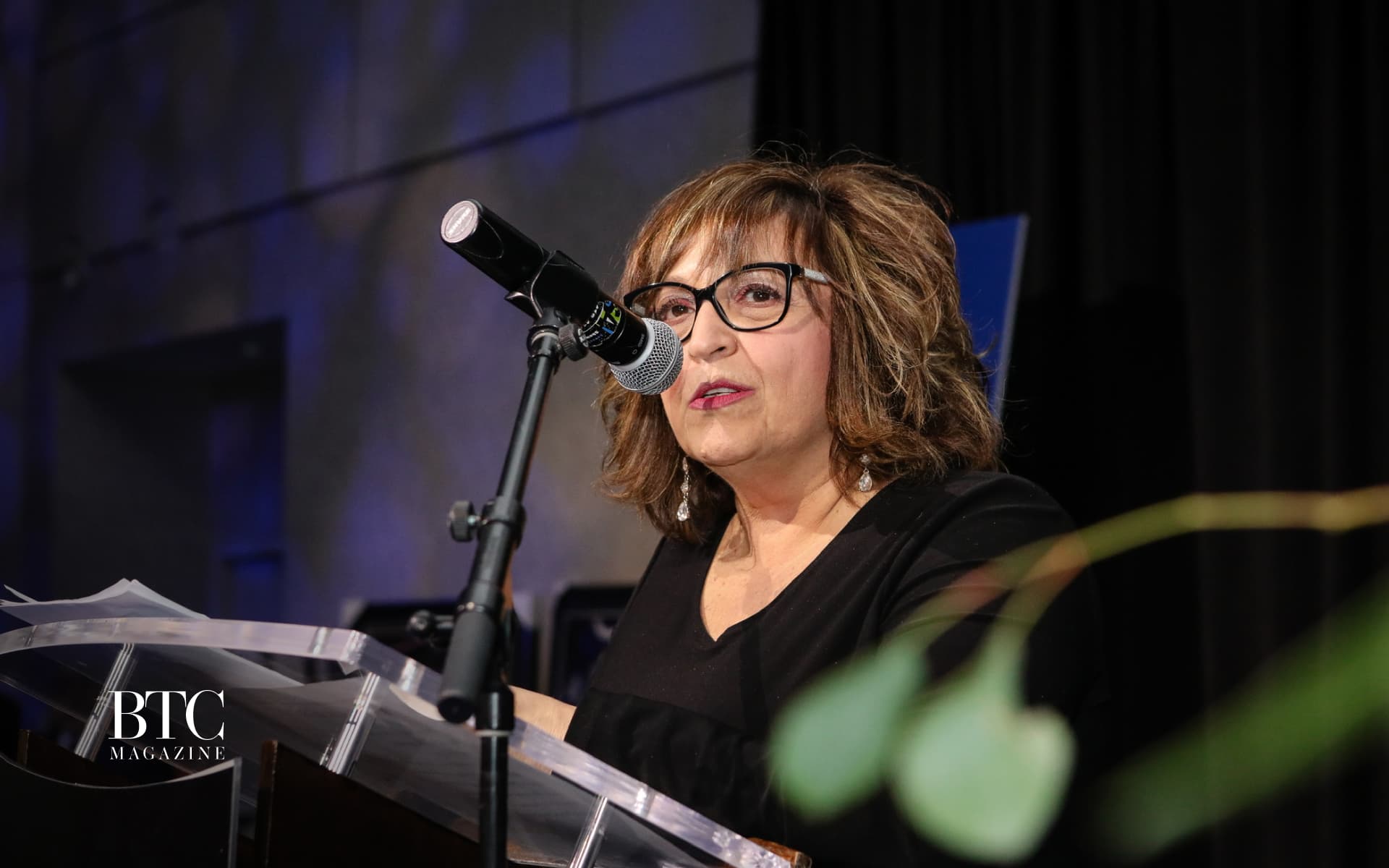
The Woman Who Wouldn't Giggle: Elvira Caria's Four Decades of Refusing to Play Nice
After 40 years of fighting for her voice in broadcasting, Elvira Caria lost the only title that ever mattered to her: Matthew's momThere's a street named after Elvira Caria in Vaughan. She didn't pay for it, she'll tell you right away. Awards line her walls—forty years' worth of recognition for lifting up her community, for being the voice that shows up at every damn event with her phone and her genuine give-a-shit attitude.But when I meet her at The Roost Café on a grey autumn morning, she says the work that matters most is the stuff nobody sees."My real satisfactory work?" She pauses, weighing whether to trust me with this. "I help young girls escape human trafficking. You can't put that on social media."This is Elvira Caria: the woman who refused to be radio's giggling fool, who chose late-night shifts over morning show glory so she could be home when her son's school bus arrived, who now sits across from me one year after burying that same son at 25."I wouldn't be here if it wasn't for the community," she says. And she means it literally.The Day She Found Her Voice by Refusing to Use ItPicture this: a young Elvira in a radio control room, told by a well-known male broadcaster that her job was to giggle. To be the pretty voice that makes him sound better."I don't do giggling fool," she says now, decades later, the Southern Italian fire still in her voice.She stopped showing up to giggle on cue. Got fired on a Friday. Instead of folding, she handed her termination papers back: "If you can find a better reason to fire me on Monday, I'll accept it. If not, I'm coming back."Monday passed. So did Tuesday. By Friday she expected another dismissal—everyone fires on Fridays. But a month later the man who told her to giggle was gone. Elvira stayed for six more years."I found my value voice," she says. "I wasn't going to bend for someone else's value."The Choice That Looked Like SacrificeAt the height of her career, being groomed for a morning show at one of Canada's top stations, Elvira walked away."Nobody quits Rock Radio," her boss said."Well, I just did."She took the shifts nobody wanted—weekends, evenings, 3 a.m. hits at Yonge and Dundas. People called it sacrifice. She calls it choice."While others were sleeping, I was talking to the people we now call homeless. Nobody wakes up saying, I want to be on the streets when I grow up. Nobody."The choice meant she was home when Matthew got off the school bus. It meant knowing his friends, his teachers, his world. For 25 years, it meant being Matthew's mom first, Elvira Caria second.The Irony That Breaks YouHere's the part that will gut you: she spent decades insisting she was more than just Matthew's mom. She was a broadcaster, a journalist, a voice for the voiceless. She built a career on authenticity when authenticity could get you fired.And then, in 2024, Matthew was gone— twenty-five years old and on the edge of everything. Suddenly all Elvira wanted was the one title that had been stripped away."Matthew never saw me as a radio announcer," she says, voice steady, eyes somewhere else. "He saw me as his mom. And that's all he cared about."The Part Where She Stops Pretending Everything's FineLet's talk about not getting out of bed. About hygiene being optional when grief is bone-deep.Her sister-in-law was the one who finally broke through: "They need you. My boys need you! You're more than their Zia." So Elvira took small steps. A shower became a victory. Coloring her hair, an achievement. Looking in the mirror and trying to recognize whoever stared back."I'm mad at God," she admits. "People say everything happens for a reason. What's the fucking reason? Why take away a kid who never did anything wrong, who was just starting his life?"The Community That Saved Her When Awards Couldn'tTen people can tell Elvira she's wonderful. One critic cuts deeper at 3 a.m. That's human.She'll admit some awards now feel hollow—accolades in a season of loss. The recognition doesn't heal the absence.But the community? They showed up in ways that mattered. The woman from her coffee shop who just sat with her, no words needed. The neighbor who mowed her lawn without asking, week after week, because grief means grass keeps growing when you can't. The radio colleague who took her shifts without question when she couldn't form words, let alone broadcast them. The mothers from Matthew's old baseball team who still text her his jersey number on game days. Or the Baseball league who named an umpire award after him."Someone left groceries at my door every Tuesday for three months," she tells me. "Never found out who. Just bags of real food—not casseroles, not sympathy lasagna—but the exact brands I buy. Someone paid attention to what was in my cart before. That's community."The vigils, the legacy fund in Matthew's name, the quiet notes slipped under her door—that's what kept her standing."The real work happens in shadows," she says. "Helping a girl escape trafficking. Watching her graduate two years later. That's when I think—okay, maybe I've done enough to meet my maker."The Wisdom of Not Giving a FuckAfter decades of answering every critic, she's learned the most radical act: indifference."You don't have to react to everything," she says. "Not everything requires an explanation."She still hates small talk, still loves a stage. The influencer economy baffles her. "People think having a phone makes them reporters. Broadcasting is an accreditation—you're trained how to interview, how to fact-check, how to smell bullshit."Who She Is NowA year later, she's still figuring it out. Still showing up at community events with her phone and her give-a-shit intact. Still ironing her underwear (yes, really) because some control is better than none.The street sign with her name stands in Vaughan, but she lives in the in-between—between public recognition and private purpose, between the veteran broadcaster and the grieving mother."The evil grows faster than good," she says. "We're always catching up."So she keeps going. Not because grief eases—it doesn't. Not because she's found a new purpose—she hasn't. But because stopping isn't her style.She refused to giggle back then. She refuses to perform now. And maybe that's the lesson: sometimes the most powerful thing you can do is keep showing up, even when you don't know why you're still here. Especially then.Elvira Caria continues to support multiple charities across the GTA while maintaining her broadcasting career. She's still mad at God, still helping girls escape trafficking, still learning who she is now. She does not need your sympathy. She might need you to know that grief has no timeline, authenticity isn't content, and sometimes the bravest thing you can do is refuse to play along.
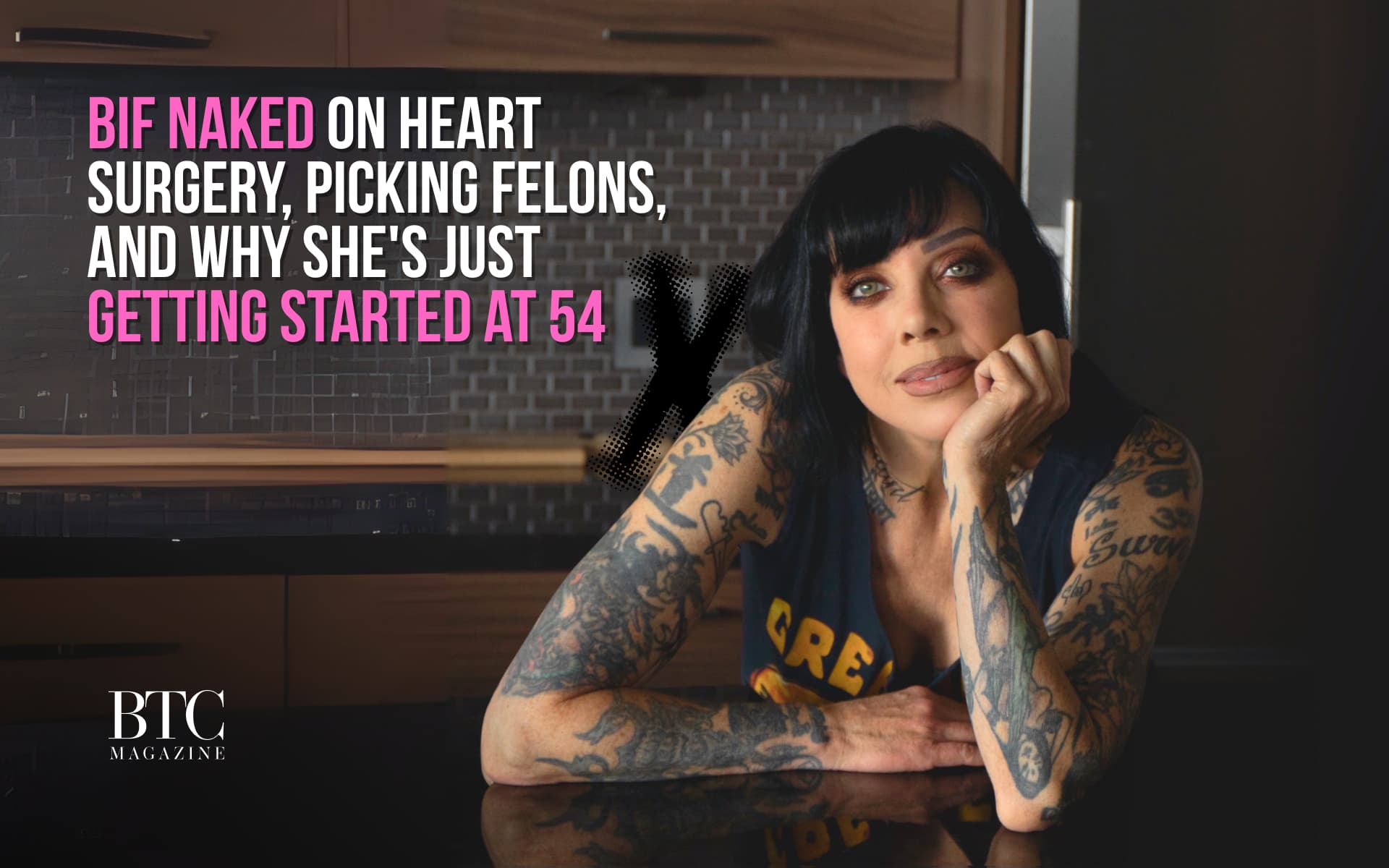
The Dentist Is Between My Legs: Bif Naked on Heart Surgery, Picking Felons, and Why She's Just Getting Started at 54
The punk icon who found euphoria on an operating table talks death doulas, divorce gratitude, and why her failing marriage hurt more than cancerBy Joseph Tito | Between the Covers | November 2025Bif Naked is cutting up her dog's food with her hands when I ask how it feels to be a legend.She looks at me like I've asked her to explain quantum physics in Swahili. "I'm a dog mom," she says, and goes back to mincing. Her fingers work methodically, tearing dog food into smaller and smaller pieces. The woman who once spit on audiences from punk stages now performs this daily ritual of care with the focus of a surgeon.This is going to be that kind of conversation—where every expectation gets shredded like dog food.The Operating Table High"So I was wide awake," Bif says, settling into her Toronto condo couch, miniskirt riding up as she crosses her legs. She's talking about her heart surgery like most people describe a spa day. "They thread a little camera through your leg all the way to your heart, and they can see what they're doing on the screen."She leans forward, eyes bright with the memory. "The surgeon is wearing a pineapple hat—like, the surgical hat had cartoon pineapples on it. And they're listening to William Shatner singing. Have you ever heard him sing? Who knew this album existed?"This is a woman describing having a hole in her heart closed with what she calls "a little umbrella device," conscious the entire time, finding it all hilarious and profound in equal measure. Her voice gets almost reverent: "I thought, this is the coolest shit ever. How is it possible that in this lifetime, I can listen to these people talking about their day jobs, which is fixing my stupid heart?"Then comes the moment that gives this article its title. They need to inject Novocaine into her leg to make the incision. You know that heavy, aching feeling from the dentist?"I said, 'Oh! It feels like the dentist is between my legs.'"She covers her face, laughing and mortified simultaneously. "The nurses started howling. This patient is on the table, making what they think is dirty talk. But I just meant—" she gestures helplessly "—the Novocaine!"Her whole body shakes with laughter now. "Of course that's what I said. How fucking funny is that?"God's Rejection and Other Love Stories"God is not going to choose me for whatever reason," she says, the laughter suddenly gone. "I'm going to stay here on earth and have to deal with it. Because I'm not learning my lessons yet."The shift in energy is palpable. She's talking about her pattern now—the violent men, the criminal boyfriends, the marriages to liars. "If there's a wrong guy, send him my way. If he is a criminal, if he's a violent felon, send him my way. I'm going to fall in love with that idiot every time."She delivers this like a weather report, no self-pity, just fact. When I ask why she got divorced, she doesn't hesitate: "Because I married liars." Then, catching herself: "But I have to look at what my fault was."She discovered what healthy relationships actually look like at 54. Fifty-four. After two failed marriages, cancer, and enough medical trauma to kill most people twice. "I had no idea relationships were supposed to be healthy," she says, and the wonderment in her voice is genuine. "I think that I've always been chasing true love. I'll never give up on love, ever."The contradiction sits there between us: the woman who picks monsters still believes in fairy tales."My emotional crisis of my failing marriage trumped my cancer experience."She says this so matter-of-factly that I almost miss it. The dissolution of her marriage during treatment hurt more than the actual cancer. Her hands, which had been still, start moving again—straightening pillows, adjusting her jewelry."Which was good," she adds quickly, "because it forced me to throw myself into volunteering."The man who married a rock star got a cancer patient instead, couldn't handle the plot twist. Now she trains as a death doula, works in palliative care. "If I was told tomorrow that I could not be a performer anymore," she says, her voice steady, "I think I would go into hospital administration."The Stage She Was Always SeekingBefore Bif Naked existed, there was a theatre kid at the University of Winnipeg who'd taken ballet for 13 years. She demonstrates a position, her leg extending with muscle memory from decades ago. "I wanted to be an actress and a ballet star."Then a drummer named Brett needed a singer. Suddenly she had a vehicle for all her poetry, all her rage about El Salvador and Indigenous treatment and misogyny. Whether it was ballet slippers or combat boots, she was always searching for a stage—just took her a while to find the right one."I got to stand up there. I got to spit on the audience. I got to say, fuck you, you can't objectify me." Her voice rises with the memory, that old fire flickering. "I didn't even have to sing very well. And believe me, I could not. I sounded like a dying cat."She pauses, grins. "And I don't mean the band Garbage."They opened for DOA. NoMeansNo. Bad Religion. She dropped out of university, and here's the kicker—"I'm still waiting to go back to school," she laughs, thirty-something years later, like she might actually do it.The same rage that fueled her screaming about El Salvador now targets Doug Ford's Ontario. "I couldn't figure out why I moved here," she says. "Then Ford got elected and I thought, 'Oh. I'm here to use my big mouth.'"The Children She'll Never Have (Or Will She?)When she cuts up that dog food with such maternal precision, I have to ask about kids. Her whole body language shifts—shoulders dropping, a softness creeping in."My ovaries were taken out at 36. So breast cancer didn't just cut up my tit." She says this with the same directness she uses for everything else, but her hand unconsciously moves to her stomach. "I've been in menopause since I was 36 years of age."People ask about adoption—she is, after all, adopted herself. The sarcasm returns, protective: "Oh yeah, let me get right on that. Let me turn around as a divorcee who's working nonstop as a self-employed artist in Canada and get right on the adoption train."But then, unexpectedly: "Now in my mid-50s? Yeah, I suppose I am ready."The possibility hangs there. Not this year. But the door isn't closed.Tina Turner's Miniskirt Ministry"I look to women like Tina Turner," she says, smoothing her miniskirt with deliberate intention. "Tina Turner didn't start playing stadiums till she was in her 50s."At 54, she genuinely believes she's just getting started. The documentary premiering across Canada this month (November 12 in Toronto, November 4 in Vancouver). The album finally released after she shelved it during the George Floyd protests because "the world didn't need a fucking Bif Naked record" during that summer of unrest."The sky is the limit," she says, and means it.When I ask who she's fighting for now, what her voice stands for at 54, she barely breathes before answering."When I was singing 'Tell On You' on my first record, I wasn't the only girl who was sexually assaulted," she says, her voice dropping to something harder, older. "I was the only girl with a microphone."The room goes quiet. Even the dog stops moving.She calls herself "a square" now—no cocaine, no partying. "I can be thoughtful and intelligent. I can try very hard to be a voice for the voiceless."But square doesn't mean silent. She's angrier about politics than ever, advocating for animals, healthcare inequality, LGBTQ+ rights rollbacks."Unfortunately," she says with a grin that's pure punk rock, "I'm still the one holding the mic."What's Next Is What She WantsThey're making a feature film about her life. The documentary's touring. When I ask what's next, she almost defaults to "that's a Peter question"—her manager's domain—then catches herself, takes ownership."We're working on the feature film based on the book."But really, what's next is whatever the fuck she wants. She's earned that.I ask what she'd tell a young girl starting out in music today. She thinks, really thinks, her face cycling through decades of memory."Never take it personally. Never take anything personally, no matter what."Then she says something that makes me stop writing: "There's room for everybody."This from a woman who had to claw for every inch of space. Who quit drinking partly to avoid being "misinterpreted" by men who'd use any excuse to discredit her. Who's been assaulted, dismissed, divorced, nearly killed."Anybody can make music on their computer, anybody can learn piano on YouTube, anybody can upload a song and send it to their nona," she continues, and she means it. "That's actually a gift."As I'm leaving, she's back to cutting up dog food, this ritualistic care that anchors her. I think about what she said about God not choosing her yet, about having to stay here and deal with it.But watching her hands work—the same hands that punched stage divers, that held microphones during cancer treatment, that reached for violent men who couldn't love her back—I realize something.She keeps saying she hasn't learned her lessons. But maybe she has. Maybe the lesson is you can marry liars and still believe in love. You can lose your ovaries at 36 and mother the whole world anyway. You can tell your surgical team the dentist is between your legs and still become a legend.She looks up from the dog bowl, catches me staring."I wasn't the only girl who was sexually assaulted," she says again, quieter this time but somehow louder. "I was the only girl with a microphone."Bif Naked's documentary tours Canada this month. Her album "Champion" is available now. She still wears miniskirts and heels. She's just getting started.
All Articles in Restaurant Reviews
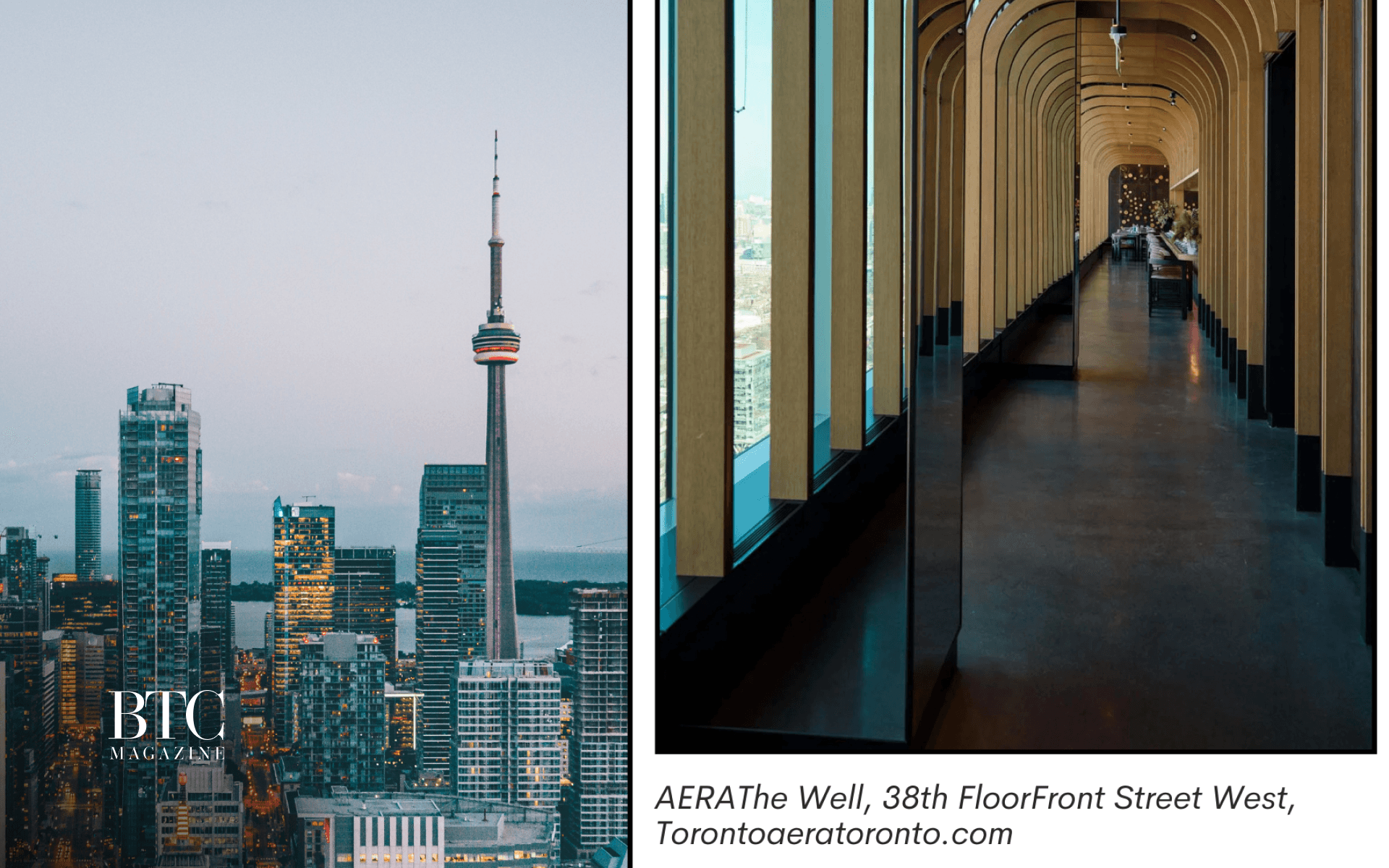
AERA WHERE THE CITY BECOMES YOUR DINNER COMPANION
Sometimes you need dinner. Sometimes you need an experience that makes you forget you have to do laundry tomorrow.Aera delivers the latter—perched on the 38th floor of The Well like it's auditioning to be Toronto's main character. This isn't just dinner; it's dinner with a backdrop that makes your Instagram stories look like they were shot by a professional who actually knows what they're doing.The Reality CheckYes, you'll spend more than your grocery budget. Yes, you'll probably overdress and still feel underdressed when you see the woman at table twelve who clearly shops somewhere I can't pronounce. And yes, you'll take seventeen photos of your drink before you actually taste it.Worth it? Absolutely.What You're Actually GettingThe 5oz beef tenderloin arrives like it went to therapy and worked through all its issues—perfectly cooked, confident, with nothing to prove. The sushi doesn't try to reinvent the wheel, which is refreshing in a world where everything needs to be "elevated" or "reimagined." Sometimes fresh fish on good rice is exactly the flex you need.That seafood tower? It's not subtle. It's not trying to be. It sits there like edible architecture, daring you to take a photo and tag your ex.The Drinks SituationThe "Amelia" tastes like summer decided to get its act together—vodka, elderflower, blackberry, and just enough sophistication to make you feel like you have your life figured out. The "Gilgamesh" is for when you want to tell people you drank something with miso and shiitake bitters, because honestly, when else are you going to get that opportunity?The Truth About the ExperienceHere's what they don't tell you: the view does half the work. You could be eating a decent sandwich up here and still feel like you're living your best life. But Aera doesn't coast on the scenery—the service moves like they actually want you to enjoy yourself, not like they're doing you a favor by taking your order.The lighting hits different when you're thirty-eight floors up. Everything looks better—your date, your food, your questionable decision to order the most expensive thing on the menu because "it's a special occasion" (it's Tuesday).The Bottom LineAera isn't where you go to grab a quick bite. It's where you go when you want to remember that sometimes life can feel as good as it looks on other people's social media. It's expensive, yes. Worth it for the right moment? Also yes.Just make a reservation, wear something that makes you feel like you belong there, and prepare to eat really good food while pretending you always dine with the entire city spread out below you.Some nights deserve to be elevated. This is the place that does the elevating.Sometimes you need dinner. Sometimes you need an experience that makes you forget you have to do laundry tomorrow."Pro tip: Go for sunset if you can swing it. The city lights coming on while you're working through that wagyu is the kind of moment that makes you understand why people write poetry about dinner.
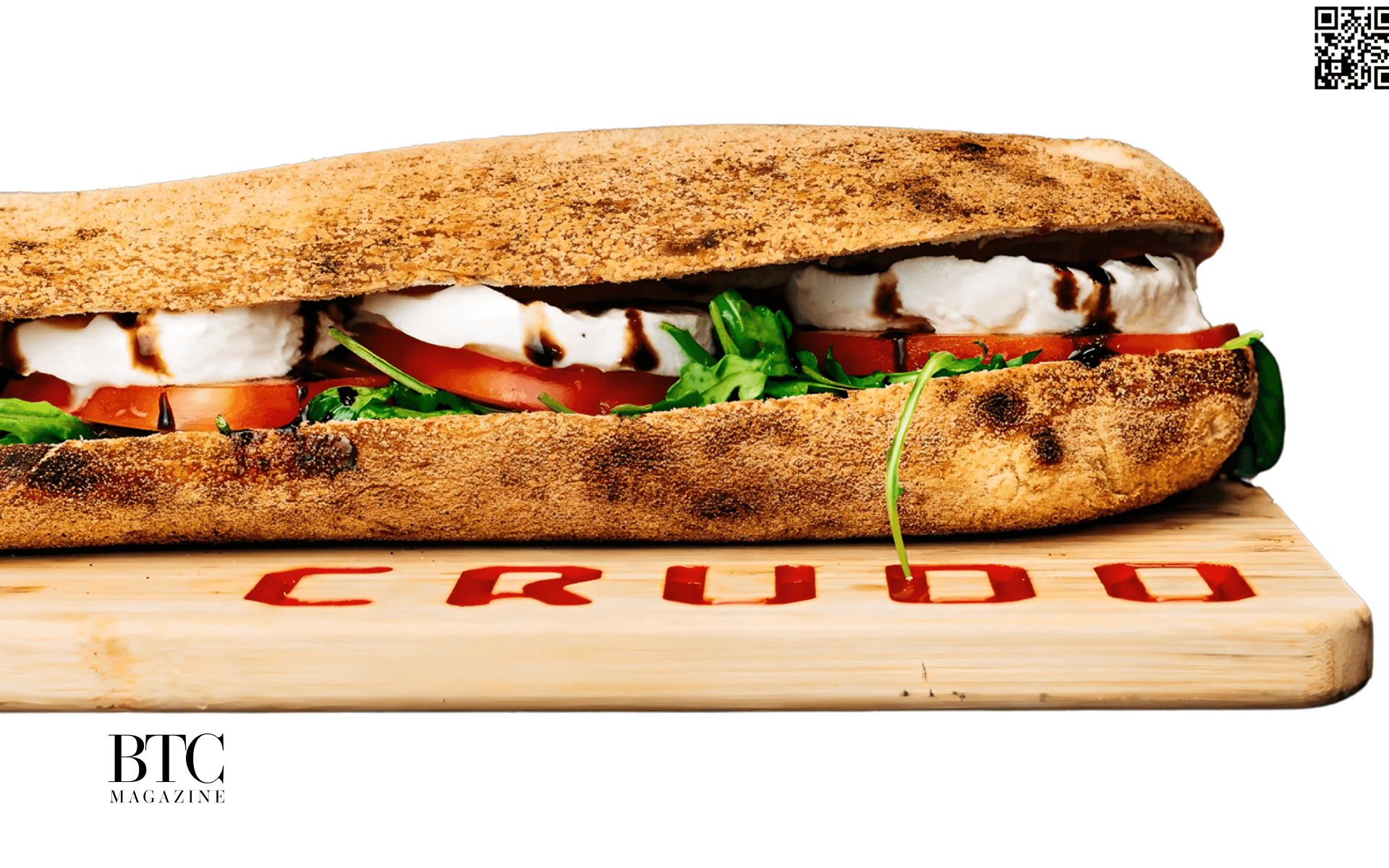
Where My Inner Gino Finally Found Home
Location: 1451 Royal York Rd, Etobicoke (aka where I didn't expect to find actual Italian food)The vibe: Your nonna's approval wrapped in pizza doughOkay, so as someone who was literally born in Rome and has spent years explaining to well-meaning Canadians that no, Olive Garden is not "close enough," finding Crudo felt like discovering a twenty-euro note in an old jacket pocket. This place doesn't just bring out your inner Gino—it validates the Gino you actually are.The Panuozzo Situation (Or: Finally, Someone Gets It)When I heard "Toronto's first panuozzo," my Roman cynicism kicked in hard. I've seen what this city does to Italian food—it's usually a crime against my ancestors. But these guys? They actually know what they're doing. The bread has that perfect texture that only comes from people who understand that panuozzo isn't just "pizza sandwich"—it's an art form that requires actual skill.Their mortadella with pistachio cream made me momentarily homesick in the best way. It's not trying to be some fusion nonsense or "elevated" version—it's just good, honest panuozzo like you'd find in any proper Roman pizzeria. The kind that makes you realize how much you've been settling for sad Canadian interpretations of Italian food.The porchetta version? Chef's kiss Perfect. Finally, someone in this city who knows that marinated eggplant isn't just a random vegetable you throw on because it sounds Italian.Pizza That Doesn't Insult My HeritageLook, I've been disappointed by "authentic Italian" pizza in Toronto more times than I care to count. Places that think adding some basil makes it Neapolitan, or worse, those spots that proudly serve thick-crust monstrosities and call them "Italian-style."But Crudo's pizza? Actually respectable. The dough has the right chew, the San Marzano sauce tastes like it should (shocking, I know), and they're not drowning everything in cheese like they're trying to hide something. At $23 for a 12-inch, it's more expensive than what I'd pay in Rome, but this is Toronto—I've learned to adjust my expectations along with my budget.The Reality Check (From Someone Who Knows Better)The atmosphere is simple and unpretentious, which is exactly how it should be. Good Italian food doesn't need mood lighting and exposed brick—it just needs to be good. The fact that they've got Euro Cup on and everyone's clearly comfortable just hanging around? That's more authentic than half the "rustic Italian" places downtown charging double.Service is efficient without being rushed, and watching them slice everything fresh in front of you reminds me of home in ways I didn't expect. It's those little details that tell you these people actually understand Italian food culture, not just the Instagram version of it.The Brutally Honest OpinionHere's the thing—as an Italian living in Toronto, I've become an expert at managing expectations. Most "Italian" food here is Italian the way Tim Hortons is French cuisine. But Crudo? It's actually trying to do things right, and mostly succeeding.Is it exactly like being back in Italy? No, obviously. But it's close enough to make me stop complaining about how "nobody in Toronto knows how to make proper Italian food." The owners clearly give a damn about authenticity, and in a city where people think carbonara should have peas, that's worth celebrating. Look, I went in expecting decent pizza and left questioning why I've been settling for mediocrity my entire adult life. "My fellow Etobicokians, if you haven't tried Crudo Pizza & Panuozzo you aren't living"—and honestly, they're not wrong.This place doesn't need Instagram-worthy neon signs or Edison bulbs to prove it's good. It just quietly serves food that makes you want to kiss the chef (in a purely platonic, "thank you for showing me the light" kind of way). It's the kind of spot that makes you feel like you've discovered something special, even though you're basically just eating really good Italian food in a strip mall.The Final VerdictCrudo brings out your inner Gino in the best possible way—suddenly you care about the quality of your tomatoes, you have opinions about cheese, and you might catch yourself gesturing more enthusiastically while talking. It's authentic without being pretentious, delicious without breaking the bank (okay, it'll dent it a little), and hidden just enough to make you feel like you're in on Toronto's best-kept secret.Rating: ★★★★☆ (would be five stars but they don't deliver to my couch)Will I be back? Già prenotato for next week.Crudo Pizza & Panuozzo 1451 Royal York Rd, Etobicoke (647) 694 6284 | crudoto.com
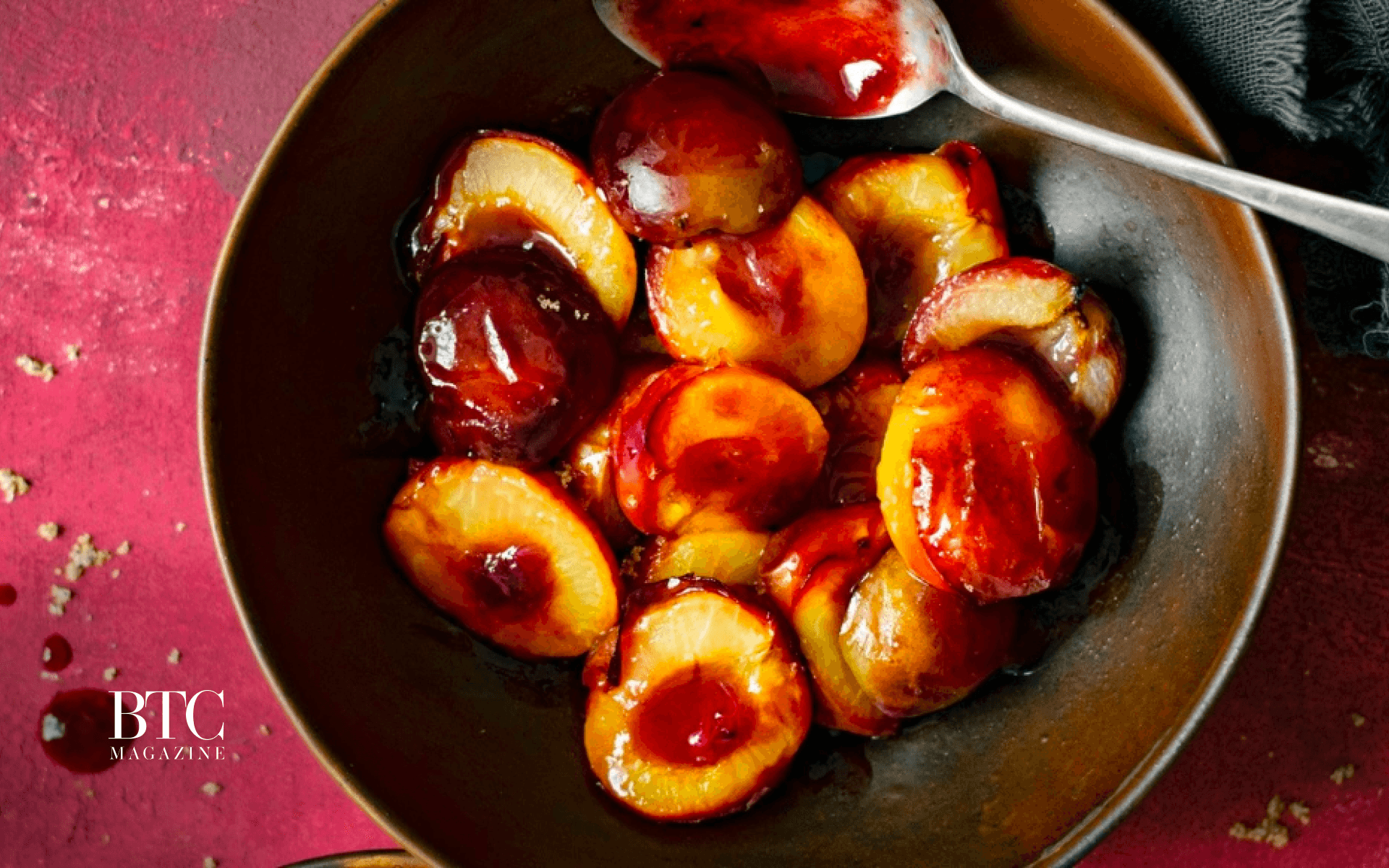
From Boardroom to Boscaiola: Enza Cianciotta's Delicious Second Act
At 52, this Italian-Canadian entrepreneur walked away from a lucrative tech career to create something that actually feeds the soul—and it's working.When Enza Cianciotta tells you she's "loving" her late-in-life pivot to entrepreneurship, you believe her. After three decades as a software executive, traveling between Canada and London every three weeks, Enza did what most people only dream about: she walked away from the money to chase her passion. But this isn't your typical "follow your dreams" story. This is about a woman who saw a problem in our food system and decided to fix it, one authentic product at a time.Living in London for 12 years opened Enza's eyes to something most North Americans don't realize we're missing. "Coming from Europe, all the grocery stores here were laden with products full of high fructose corn syrup, emulsifiers, stabilizers," she explains. "In Europe, GMOs are banned." The revelation that hit hardest? Learning that a tomato could contain shrimp genes—meaning someone with a shellfish allergy could have an anaphylactic reaction to what should be a safe, natural product.This European perspective, combined with her Italian heritage and nutritional education, became the foundation for SOLENZI—her "free-from" food brand. When Enza told her Scottish husband she wanted to start a business while working AND attending nutrition school, his response was beautifully blunt: "Pick one. You can't do all these three things and do them well." That advice transformed everything.Enza's approach isn't just about removing the bad stuff—it's about elevating the good. She traveled to Puglia, where her family originates, meeting with artichoke growers and farmers. The goal: marry convenience with nutrition, creating meals you could prepare in 30-40 minutes without sacrificing quality or authenticity.SOLENZI's pasta line breaks all the rules. While most brands mix flours, Enza took a purist approach: one pasta that's 100% red lentil (26 grams of protein per portion), another that's 100% chickpea, another that's 100% green pea flour. When featured on "The Good Stuff with Mary Berg," her lentil pasta was voted best alternative pasta, and sales quadrupled overnight.Her newest creation might be the most exciting yet: pasta made with Italian durum wheat and Lupini bean flour. The result? Double the protein of regular wheat pasta, three times the fiber, and 50% fewer net carbs, all while tasting exactly like traditional pasta.Sometimes the best discoveries happen by accident. Preparing for a food show, Enza had a can of coconut cream in her kitchen. On a whim, she combined it with her Boscaiola mushroom mix, simmered for 20 minutes, and brought it to the show. "They didn't care about anything else. They wanted to know where to buy the sauce." That accidental creation became her number-one selling product.Today, SOLENZI products are sold at Farm Boy, Healthy Plant, Fortinos and other major retailers. The brand includes artisanal pastas, gourmet sauces (all sugar-free and gluten-free certified), pestos, and antipastos—all made with simple, authentic ingredients. "We're all passionate about food and nutrition, family. We're authentic, and we believe in integrity and transparency," she says.At 52, Enza proves the best time to start something new might be when you finally know exactly what you stand for: marrying convenience with healthier eating to bring gourmet, delicious food that makes meal-making easy. She's giving us permission to eat well without the guilt, confusion, or compromise. And honestly? It's about time.
The Real Story Behind Newmarket's Hottest New Spot
I'm sitting across from Lilly Vona at Bar Locale just days before opening, and even in this final preparation stage, you can feel the energy she and partner Frank Facciponte have built into this space. The music system is being tested, the bar is being stocked, and small plates are being perfected in the kitchen. It's exactly the sophisticated yet genuinely fun atmosphere they envisioned when they first laid eyes on this landmark location.Between the Covers: So you're about to open. How does it feel to see your vision finally coming to life?Lilly: It's incredible. This has been something I've always wanted to do. Through my travels, all through my young life, at home when my parents were big entertainers—this is what I've always enjoyed. Sharing plates, small plates, it's collaborative. It invites social connection. Food is so many things to so many people, but at the end of the day, it's family, it's love, it's culture.BTC: So what made Newmarket the right fit for this concept?Lilly: Actually, Newmarket wasn't even on our radar initially. We were actively looking at locations in midtown Toronto when we got approached to look at this property. It's a town-owned landmark location, and we only had one hour to view the space before deciding if we wanted to go through the whole RFP process—business plan, presentation, financials, the works. But honestly, the moment we saw it, we knew. And then when we learned about Main Street's accolades and what this community has built, we got really excited about being part of both the community and the business community here. It's such a unique opportunity to be in a landmark location that has this incredible heritage and significance to the town.BTC: You and Frank are business partners AND life partners. How do you not kill each other when the restaurant is having a shit day?Lilly: laughs We're both Geminis, so we're like the nicest four people you'll ever meet! But Geminis make exciting lovers, exciting partners. Exciting doesn't always mean easy—it's intense sometimes. We play hard, we work hard, we love hard. It's just who we are. And somehow through this crazy life we live, we raised three of the most amazing, well-balanced young men. That's my proudest achievement.BTC: What's been the biggest learning curve in expanding to three locations?Lilly: Learning to step back and trust our team. It took years—me and Frank worked on site 24/7 for years—for us to be able to oversee operations without micromanaging. Now we can go to our own restaurants and enjoy them as guests. Well, mostly. I still notice dust and fingerprints on the walls—you can't help it!BTC: Let's talk about that renovation. You literally stripped this place to the bare bones.Lilly: We did! It was a massive undertaking, but we had this vision of a space that could effortlessly transition from relaxed daytime lunch and brunch to a vibrant nighttime hotspot. That required completely rebuilding and redesigning everything. Every detail matters when you're trying to create an experience that lets people fully immerse themselves from the moment they walk in.BTC: How are you planning to balance creating that vibrant energy while still making it a place people can actually connect?Lilly: The music's going to be loud. When people come from our other Locale locations and say "the music's too loud," we're gonna be like "Crank it!" People should know that before coming in. But trust me, it will work. I'm 60, and I want to go to a place with loud music and crafted cocktails on date night. Sometimes you don't want to talk so much to your partner—you listen to the music together. It's gonna be vibrant, it's gonna give you energy.BTC: Your team seems ready to launch.Lilly: I could not do this without my core team. Steve Oletic will be our restaurant manager here—what he's achieved to make sure Aurora's in good hands while dedicating himself 24/7 to getting this place ready is incredible. Chef Michael Dadd is our head chef, and Eli Rosch is our bar manager. We've collaborated on everything together, and I can't wait for people to experience what we've built.The relationship between restaurant owner and chef is like a very complex dance. When you find that balance with somebody, you fucking go with it. Michael had so much potential beyond what he was doing—small plates, ingredient-driven cooking—this is his niche. And when I let him go, this is what we got.BTC: Chef Michael, tell us about your approach to the menu.Chef Michael Dadd: It's all about Mediterranean inspiration using local ingredients. We're doing everything from scratch—sardines we'll be cleaning and marinating in-house, 40 pounds a week. The patatas bravas, which we introduced at Beer Fest, went over really well. And the croquettas—very Spanish traditional but with a Scotch egg element, so there's a beautiful soft poached egg in the middle.I grew up 15 minutes north of here, so using local produce from the Holland Marsh has always been engrained in everything I do. I can't wait for guests to discover these flavor combinations.BTC: What's the hardest part about getting ready to open this concept?Lilly: Honestly? The hardest part has been navigating the delays and supply chain issues. Post-COVID, everything is more expensive—30 to 35% more—and nothing arrives on time. A simple barstool turns into a six-week delay. But we push through because growth isn’t just about opening another space—it’s about creating opportunity. For our team, our community, and the vision we believe in.I can't wait for our regular customers from King and Aurora to discover this different side of what we do, and to welcome new faces to the family."Food is so many things to so many people, but at the end of the day, it's family, it's love, it's culture."BTC: The design here is stunning. Tell me about those details.Lilly: Every single detail has been thought of, from the bathrooms to the little fringe on the barstools. The glass chandeliers are hand-blown from England. The moth wallpaper—I wanted something edgy. But here's the crazy part: when we first got in this place during construction, I went into that dusty, ugly washroom, and a moth landed on the wall. I was thinking about a logo representing transformation—of Locale, of this space, of myself. Moths are attracted to night and light, and this is the night. Everything just clicked.BTC: What's next for the Locale empire?Lilly: We're going to go RV for a month, because that's what we do. Montreal's been calling, so... I don't know. Let's end it with that.As our conversation winds down and the final preparations continue around us, it's clear that Lilly is about to achieve exactly what she set out to—a place where food is love, where collaboration happens naturally, and where every detail serves the bigger vision of bringing people together. Bar Locale is ready to open, and Newmarket is about to discover something special.
KLEINBURG'S HIDDEN GEM: Why La Baracca Is Worth The Drive
I've reached that age where leaving my house requires a compelling reason. Not just a good reason—a seismic, tectonic-plate-shifting reason that overrides my primal desire to remain horizontal on my couch, binge-watching shows while eating takeout straight from the container. La Baracca in Kleinburg provided exactly that reason, and trust me when I say it was worth putting on real pants for.Don't let the name fool you. "Baracca" means "shack" in Italian, a humble nod to what stood on this spot before renovation. But there's nothing shack-like about this place except perhaps the warm, unpretentious welcome that wraps around you like your favorite sweater the moment you step inside.The Space: Historic Charm Meets Modern BeautyHoused in a beautifully renovated historical home in the heart of Kleinburg village, La Baracca strikes that impossible balance between sophisticated and comfortable. The clean, bright interior is punctuated with modern art pieces that keep the space from feeling stuffy or dated. It's elegant without being intimidating—the kind of place where you could propose or just celebrate making it through another work week.But the real magic happens in what they call their "secret garden." Tucked behind the main building, this lush outdoor space transforms ordinary meals into occasions. Strung with twinkling lights and surrounded by greenery, it's the kind of setting that makes even a Wednesday night dinner feel like you've stumbled into someone else's anniversary celebration. I watched a woman actually gasp when she walked out there—a full-bodied, hand-to-chest gasp that wasn't even slightly performative.In a world of overpriced mediocrity, there's something refreshing about paying for something that actually delivers.”Let's be honest—we've all lowered our service expectations lately. The bar is so low that when a server remembers to bring water, I'm ready to nominate them for humanitarian awards. But La Baracca's staff operates in a different universe.Our server greeted us with genuine warmth and the kind of menu knowledge that can only come from actually eating the food, not just reciting descriptions from training. He described specials with such passion I half expected him to break into interpretive dance. When I couldn't decide between two pasta dishes, he didn't give the standard "they're both good" cop-out but instead walked me through exactly how each would taste and which would pair better with my wine.Speaking of wine—the collection is extensive without being overwhelming, and nobody made me feel like an idiot when I mispronounced the Italian varietals. Our server suggested a regional wine that wasn't even among the most expensive options, a rare act of beverage integrity that deserves recognition.It was worth putting on real pants for.”The Food: This Is Why You're HereI could write poetry about the bread basket alone—crusty, still-warm bread served with olive oil that tastes like it was pressed approximately twelve minutes ago. But that would leave no room to tell you about everything else, and trust me, you need to know.The calamari appetizer made me question my life choices. Why have I suffered through so many rubbery, over-battered versions when this tender, lightly coated perfection exists in the world? It's served with a lemon aioli that's somehow both rich and light, a culinary magic trick I'm still trying to deconstruct.For mains, the "blue crab pasta with lobster bisque" deserves every bit of its reputation. The pasta (handmade, because of course it is) has that perfect bite, and the sauce strikes a balance between creamy and light that should be scientifically impossible. The seafood is fresh and abundant—none of that sad "two shrimp and a mussel" situation that plagues lesser establishments.But the wild boar gnocchi? That's the dish I'm still having flashbacks about. The gnocchi themselves are cloud-like pillows that somehow maintain their structure, and the wild boar ragu has depth that comes from actual slow-cooking, not just dumping in tomato paste and hoping for the best. It's rustic and refined at the same time, like the culinary equivalent of someone who can discuss philosophy but also knows how to change a tire.Save room for the white chocolate lava cake with pistachio filling. When cut open, that vibrant green center flowing into the pool of vanilla gelato created a moment so sensual I felt like I should've bought it dinner first. The contrast between the warm cake and cool gelato, the sweet white chocolate and slightly bitter pistachio—it's the kind of dessert that ruins you for other desserts.The Verdict: Worth Every Penny (And You'll Need Several)Let's address the prosciutto-wrapped elephant in the room: La Baracca isn't cheap. Your credit card will feel the burn. But in a world of overpriced mediocrity, there's something refreshing about paying for something that actually delivers. The portions are generous, the ingredients clearly high-quality, and the execution skilled enough to justify the price tag.This isn't everyday dining unless your last name is Bezos or Musk. But for those nights when you need to remind yourself that pleasure still exists in the world—celebrations, romantic evenings, or just Tuesday nights when existential dread hits hard—La Baracca offers a genuine experience rather than just a meal.In a sea of restaurants that feel like they were designed by algorithms and staffed by people who would rather be anywhere else, La Baracca stands out as passionately, authentically human. It's as if someone took all the elements that make dining out special and concentrated them in one historical building in Kleinburg.So yes, put on real pants. Drive to Kleinburg. Spend more than you planned. You'll leave with the kind of food memories that pop up months later, making you smile inappropriately during boring meetings. And isn't that worth a little credit card anxiety?I think so. And if you don't trust me, trust the woman who gasped at the secret garden. That kind of genuine delight can't be faked.Rating: 4.7 out of 5 perfectly paired wine glassesLa Baracca is located at 10503 Islington Avenue in Kleinburg. Open Tuesday through Saturday for lunch (12–3pm)and dinner (5–10:30pm). Reservations strongly recommended for weekend dinners and the garden seating area.
“You don’t have to be fully healed to be someone’s lighthouse. Sometimes the most powerful thing you can do is show up, broken pieces and all.”
Alex: [takes a deep breath] Because trauma compounds. Being removed from your home is traumatic. Being in a system that shuffles you around is traumatic. Being queer in spaces that may not affirm or understand your identity? Another layer.The statistics around mental health for system-involved LGBTQ+ youth are heartbreaking. Higher rates of depression, anxiety, suicide attempts. But those aren't just numbers to me—they're kids with names and dreams and favorite songs.We build mental health support into everything we do, not as an add-on but as the foundation. You can't build a future if you're constantly in survival mode. Healing has to come first.But here's what's important: we don't pathologize their responses to trauma. When a kid has a panic attack because they're being moved to their seventh placement in two years, that's not a disorder—that's a reasonable response to an unreasonable situation. We validate that. We teach them to understand their own responses rather than being ashamed of them.JT: Your work embraces the messy, non-linear reality of healing and identity—something we talk about a lot in Between the Covers. How do you approach that messiness with Lighthouse?Alex: [smiles] Oh, we're all about the mess. Transformation isn't linear. Healing isn't Instagram-worthy. Growth often looks like two steps forward, one step back, three steps sideways, and occasionally a complete faceplant.We have this cultural narrative that recovery or growth should be this beautiful, inspiring journey with a clear before-and-after. The reality? It's complicated and contradictory. You can be making huge strides in therapy while your external life is falling apart. You can look like you're thriving to everyone else while fighting internal battles they can't see.At Lighthouse, we celebrate tiny victories—the kid who made it to school three days this week instead of two, the teen who spoke in group for the first time, the young adult who went to a job interview even though anxiety nearly kept them home. We honor backslides and mistakes as part of the process, not failures.“Where tradition meets the table—and every dish tells a story.”Step into Vivo and you’re instantly wrapped in the warmth of rustic charm, rich aromas, and a love for food that feels like coming home. This isn’t just a place to eat—it’s a place to linger, to laugh, to connect.Rooted in Italian tradition, Vivo brings a modern twist to classic recipes that have been passed down through generations. Whether it's their hand-stretched pizza, house-made pasta, or the kind of tiramisu that makes you believe in love again, every bite is a reminder that good food takes time—and heart.The space is cozy yet elevated, with open kitchens that invite you to be part of the experience. Families, first dates, and foodies all gather here for one simple reason: it’s authentic. From the first pour of olive oil to the last swirl of espresso, Vivo delivers comfort without compromise. Come hungry, leave full—in more ways than one.BTC: What's been the most surprising part of this work for you?Alex: [smiles] How much the kids end up helping me. There's this narrative that mentorship is one-directional—wise adult helps struggling youth. But these young people have taught me more about resilience and authenticity than any self-help book ever could.Last year, we had this 14-year-old, Jamie, who'd been in seven placements. At our summer retreat, we were doing this activity about belonging, and Jamie said, "Sometimes family isn't who you're born to; it's who you refuse to give up on." I think about that every day.The other surprise is how much joy there is mixed in with the hard stuff. We laugh a lot. We celebrate every tiny victory. Found family can be as messy and complicated as biological family, but there's something beautiful about choosing each other anyway.BTC: What would you tell adults—especially those struggling with their own identities or mental health—about what you've learned from this work?Alex: [leans forward] That it's never too late to find your people. To reshape your story. To heal old wounds.So many adults I meet—especially queer adults—are carrying these deep beliefs that they're fundamentally broken or unworthy of connection. They've internalized messages from childhood, from society, from religion, from everywhere telling them they're wrong somehow.What I've learned from our youth is that unlearning those messages is a lifetime practice. It's not about reaching some perfect state of self-acceptance; it's about noticing when those old stories arise and gently challenging them, over and over again.Also? Community matters. We aren't meant to heal in isolation. Finding spaces where you can be your authentic self—messy, contradictory, evolving—is essential. Whether that's therapy, support groups, chosen family, creative communities... find your lighthouse, the people who can help guide you safely to shore.BTC: Last question—what gives you hope on the hard days?Alex: [quiet for a moment] Two things. First, the change I've witnessed. When we started Lighthouse seven years ago, we had twelve mentors and twenty kids. Now we have over a hundred pairs across three counties. That growth tells me something about our collective capacity for care.“Healing isn’t about becoming someone new. It’s about remembering who you were before the world told you to shrink—and choosing, every damn day, to take up space anyway.”But honestly? It's the text messages. The ones that say "I got through today" or "I used that coping strategy" or just "thank you." Small moments of connection that remind me why we do this work.There's this kid, Tyler, who graduated from our program last year. They're in college now, studying social work. They texted me recently:"Sometimes I still feel like I'm falling apart, but then I remember that's just part of being human. And I keep going anyway."That's it, right there. We're all just falling apart and putting ourselves back together. But we don't have to do it alone.“You don’t have to be whole to be worthy.”
Restaurant Review - 9 Baci
Located at 10200 Keele Street, 9Baci Restaurant is a charming spot that brings authentic Italian flavors to the heart of Maple. Known for its warm ambiance and inviting atmosphere, it’s the perfect place for a casual dinner or a celebratory night out. Their menu features Italian classics like wood-fired pizzas and handmade pastas, with the truffle gnocchi and stone-baked pizza often stealing the spotlight. The outdoor patio adds an extra layer of coziness, making it an ideal setting for enjoying a glass of wine with your meal.What truly sets 9Baci apart is its dedication to creating a welcoming experience. The staff’s warmth and passion make every guest feel like family, ensuring attentive service from start to finish. While the food consistently earns praise for its quality and flavor, the restaurant’s community-focused vibe and occasional themed nights, like karaoke or Latin evenings, make it a unique dining destination. If you’re in Maple and craving a true taste of Italy, 9Baci is a must-visit spot that delivers on all fronts.
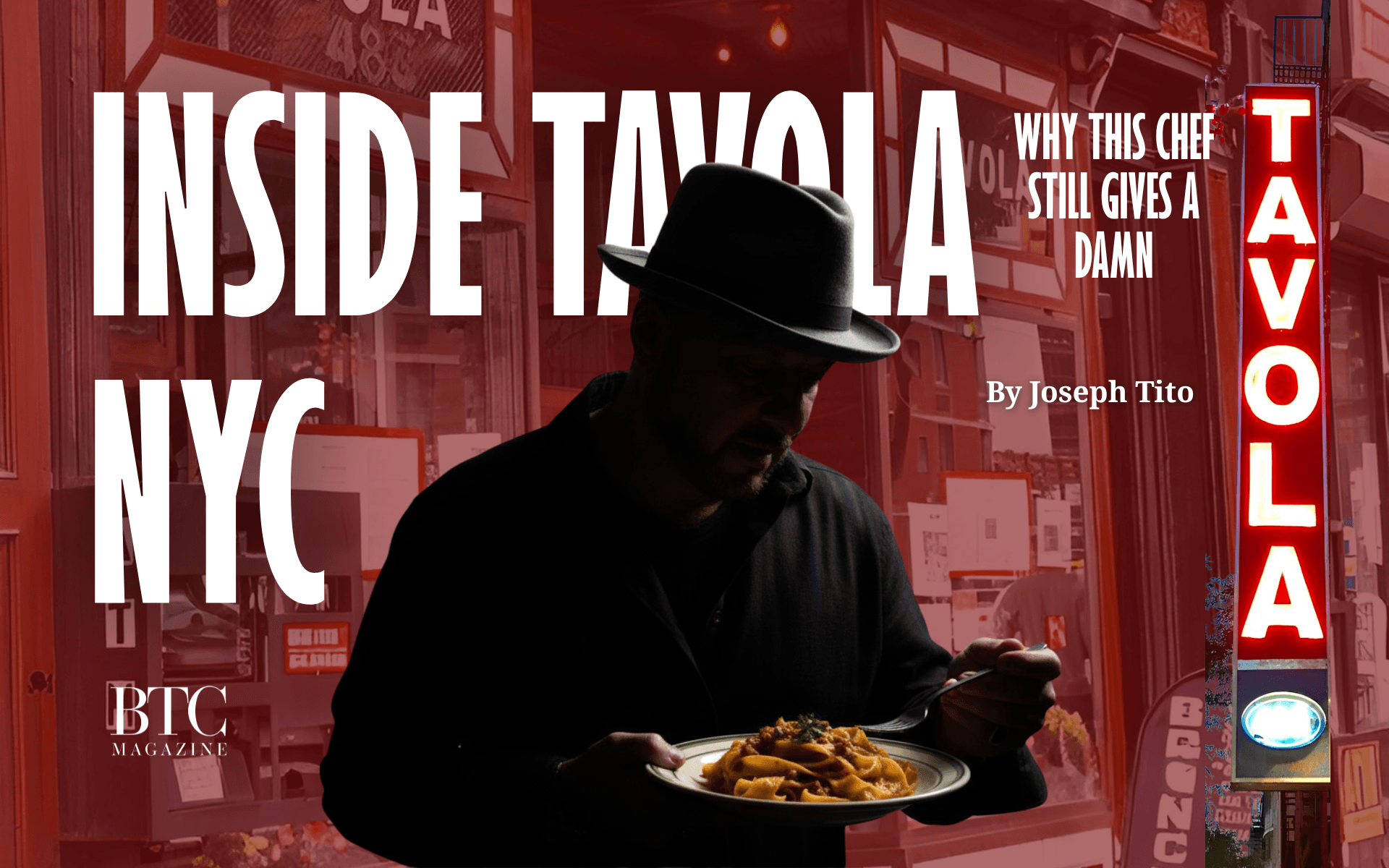
Inside Tavola NYC: Why This Chef Still Gives a Damn
After 37 years, Nick Accardi is still doing things the hard way. And here's why it matters.There's a pizza oven in the middle of Hell's Kitchen that weighs 7,000 pounds.It was carved from volcanic clay harvested at the base of Mount Vesuvius, shipped across the Atlantic, and somehow squeezed into a Manhattan storefront that spent the previous 119 years as an Italian grocery store—one that, by the way, was literally torn apart by a bitter family feud so public and so messy that even Anthony Bourdain weighed in on it.Getting that oven to New York wasn't cheap. Installing it wasn't easy. And maintaining the kind of wood-fired heat that cooks a Neapolitan pizza in 90 seconds? That's a daily commitment most restaurateurs would laugh at before turning on their gas range and calling it a day.But Nicola Accardi isn't most restaurateurs.And Tavola—his rustic Italian trattoria at 488 9th Avenue—isn't most restaurants.This is a story about rebellion. Not the loud, look-at-me kind that announces itself with press releases and Instagram-friendly design. This is quiet resistance: the kind that shows up every day at 5 a.m. to hand-roll pasta. The kind that imports ancient Sicilian wheat flour when the premade stuff is right there. The kind that takes over a space steeped in a literal century of New York culinary history—and a nasty family fight—and says, "We're doing this right. No shortcuts. No compromises."Because here's the thing about Nick Accardi: he's been doing this for 37 years, and he still gives a damn.WHEN A GROCERY STORE BECAME A GRUDGE MATCHLet's back up.For 119 years, 488 9th Avenue was Manganaro's Grosseria Italiana—the kind of old-school Italian deli where you could get a six-foot hero sandwich and a healthy dose of attitude with your order. Bourdain once called it a "time capsule" of old Italy in Hell's Kitchen, the kind of place where the vinyl booths were cracked, the service was brusque, and everything tasted exactly like it should.But by 2012, the magic was gone. A vicious family feud had split the business down the middle—literally. There were two separate entrances, two warring factions of the Manganaro family, and one slow, sad decline of what used to be a neighborhood institution.Enter Nick Accardi.Most people would've taken one look at that mess and kept walking. Nick saw an opportunity. He bought the space, ended the feud by default (sometimes the best way to solve a problem is to just... buy it), and transformed the aging grocery into Tavola.Not a museum. Not a recreation. A new chapter that honored the past without being trapped by it.He kept the antique facade. Preserved the pressed tin ceilings. Left some of the old market shelves intact. But he gutted the dining room and rebuilt it to evoke a rustic Italian market—exposed brick, weathered wood, baskets hanging from the ceiling. The vibe is less "fancy Manhattan restaurant" and more "you've just stumbled into a side street in Rome and somehow, they have a table."And then came the ovens.TWO OVENS. SEVEN THOUSAND POUNDS EACH. ZERO APOLOGIES.Here's where Nick's quiet rebellion gets loud.Those two wood-burning ovens? They're not just appliances. They're handcrafted in Naples using volcanic clay from Mount Vesuvius. Each one weighs 7,000 pounds. One runs at 900 degrees for pizzas that emerge blistered and perfect in 90 seconds flat. The other operates at lower temps for roasting fish, meats, and vegetables—infusing everything with that smoky, crackling essence you can only get from real fire.You won't find anything else like them in Manhattan. Maybe in the country.And they cost a fortune to install, maintain, and operate.So why do it?Because Nick Accardi doesn't believe in shortcuts. Because wood-fired cooking is how it's been done in Italy for centuries. Because using a gas oven might be easier and cheaper, but it's not right."When dining at Tavola, New Yorkers feel that they can eat in New York City the same way they ate during their travels throughout Italy," Nick says. "As opposed to Italian American food."Read that again. He's not serving what Americans think Italian food should be. He's serving what it actually is.That's the rebellion. Teaching people to expect more. To want better. To understand that red sauce and overcooked pasta isn't "authentic"—it's just what we settled for.WHAT HAPPENS WHEN "AUTHENTIC" ISN'T MARKETING SPEAKWalk into Tavola and you're not getting the Italian-American greatest hits. You're getting regional farmhouse cooking—Sicilian, Puglian, Roman—made with ingredients most restaurants would never bother with.The olive oil? Single-varietal Castelvetrano, from Nick's own hometown region in Sicily. It's used as a dip, a cooking base, a finishing drizzle. You can taste the difference.The pasta? Hand-rolled daily using Tumminia wheat flour—an ancient grain Nick imports from Sicilian millers. He's the only person bringing this flour into New York. Why? Because it's what's used in the villages. Because it tastes better. Because that's how you do it right.The pizza? Neapolitan-style with thin, blistered crusts cooked at scorching heat. San Marzano tomatoes. Fresh mozzarella. Nothing fancy. Just perfect.The lasagna? Layered with fresh pasta sheets and a slow-simmered veal ragù that regulars will fight you over. One review called it "the best thing on the menu... the meat sauce is fantastic."The eggplant parmigiana? Fried but not breaded, stacked into a tower of comfort that hits "all the high notes" without leaving you in a food coma.Even the cannoli shells are flown in from Italy. Because using local shells might be cheaper, but that's not Tavola's way.The New York Times named Tavola one of the best Italian restaurants in the city. Yelp reviewers with 1,500+ reviews call it a "hidden gem." Time Out says it's a must-visit.But the real validation? It's always packed. Locals know. And in Hell's Kitchen—a neighborhood not exactly known for stellar dining—that means something.THE VISIONARY WHO SAW WHAT NEIGHBORHOODS COULD BECOMENick Accardi's origin story is pure New York hustle meets old-world craftsmanship—with a healthy dose of vision that most people didn't have in the 1980s and '90s.Born in Brooklyn to Sicilian immigrants, Nick spent three formative years living in Italy—in Castelvetrano, Sicily—where he didn't just visit family. He lived the culture. Learned to speak proper Italian. Worked alongside uncles who were professional chefs, absorbing techniques passed down through generations. At 14, he worked in an Italian pastry shop. At 15, he ditched the idea of culinary school and apprenticed under a Basque chef in Spain instead—because conventional paths are boring and hands-on experience is everything.That time in Italy wasn't just biographical footnote. It's where Nick developed his passion for Italian culinary arts—not the watered-down, Americanized version, but the real thing. The farmhouse cooking. The regional specificity. The understanding that food isn't just sustenance; it's culture, identity, and resistance against forgetting where you came from.By 25, he'd returned to New York and opened his first restaurant: Cola's, a tiny Chelsea trattoria named after his nickname (Nicola, shortened). It was 1988. Chelsea wasn't the polished, gallery-lined neighborhood it is today. It was gritty, raw, and full of potential that most people couldn't see yet.But Nick saw it.He was a visionary pioneer in the early stages of gentrifying NYC neighborhoods like Chelsea and Hell's Kitchen—not in the soulless, corporate way that erases history, but in the way that elevates communities while respecting their bones. He opened restaurants that became gathering places. Cultural anchors. Proof that neighborhoods could evolve without losing themselves.Over the next two decades, Nick opened seven more restaurants—each one a statement about what was possible.There was The Viceroy, which wasn't just another restaurant. It was the crown jewel of Nick's portfolio—a French bistro he designed with his brother that became the venue where high society and the fashion world wanted to be seen. The Viceroy was featured in 26 national television commercials and appeared in three films, including Unfaithful with Richard Gere and Diane Lane. It was elegant. It was influential. And it proved Nick could create spaces that transcended food to become cultural touchstones.Then there was Stella's Pizza, Cast Iron Café, and others. Each one taught him something. None made him complacent.Then, in 2012, came the Manganaro's gamble.Taking over a space with 119 years of history and a family feud attached? That's not just bold. That's borderline insane. But Nick thrives on challenges that would make other people quit."Why do I do it all?" he says. "Because to have a concept well-received in a city like New York is the ultimate compliment. It's the toughest crowd in the world."That mindset—that proving yourself to skeptical, demanding New Yorkers is worth the grind—defines everything Nick does.And just when everyone thought they had him figured out as "the Italian chef in Hell's Kitchen," he opened a barbecue joint.BECAUSE WHY THE HELL NOT?In 2018, Nick launched Jax B-B-Q at 496 Ninth Avenue—same block as Tavola, completely different vibe.Memphis-style spare ribs dry-rubbed with an 18-ingredient spice mixture and smoked for eight hours. Carolina pulled pork smoked for 12 hours until it fell apart. Craft black angus burgers. Frozen margaritas. A rockabilly Americana aesthetic with vintage gas station signs and original 1930s Woolworth barstools.It was risky. Unexpected. And totally on-brand for a guy who refuses to be defined by one cuisine or one concept.Nick had spent his teenage years in Florida, falling in love with real Southern food. Later, he trained under BBQ legend Mike Mills in Las Vegas, learning the art of "slow and low" wood pit cooking. Opening Jax wasn't a gimmick. It was genuine passion—the same passion that drives Tavola.The BBQ space eventually became Tavolino in 2019—a more casual Italian spot serving Roman-style pizzas and Sicilian street food—which Nick sold in 2022. But the point stands: Nick doesn't stay in his lane. He doesn't play it safe. And he doesn't let anyone else write the rules for his career.REBELLION LOOKS LIKE GIVING A DAMN ABOUT YOUR NEIGHBORHOODHere's the part that'll get you.In a city where restaurants treat neighborhoods like ATMs—extract profit, move on, rinse, repeat—Tavola is woven into Hell's Kitchen.Nick sponsors local school events. Donates dinners to charity auctions. Works with a neighborhood church's "Tables for the Poor" program, feeding people during Thanksgiving and contributing to food drives year-round.These aren't PR stunts. They're quiet, consistent acts of care. The kind that don't generate Instagram likes but mean everything to the people who live there."Years ago, this stretch of Ninth Avenue was lined with Italian-American businesses," one local profile noted. "And while that may not ring as true these days, Nick has kept the spirit alive."That's not hyperbole. Decades ago, this strip was nicknamed "Mini Little Italy" because of the cluster of Italian bakeries, butchers, and restaurants serving the immigrant community. By the 2000s, that identity was fading. Businesses closed. Demographics shifted.Nick's decision to open Tavola—and later Vito's Slices & Ices with his brother, and Rocco's Pizza in Chelsea—was a deliberate homage to that legacy. A refusal to let the neighborhood's soul get swallowed by chains and corporate mediocrity.Tavola survived the COVID-19 pandemic that killed half the neighborhood, including Manganaro's Hero Boy—the sandwich shop next door that was the other half of that old family feud. While others closed, Tavola pivoted to takeout, kept staff employed, and kept feeding the community.Today, Nick runs three spots: Tavola at 488 9th Avenue (still packed, still thriving), Vito's Slices & Ices at 464 9th Avenue (throwback pizza-by-the-slice and Italian ice), and Rocco's Pizza at 148 8th Avenue in Chelsea—reopened in the exact spot where Cola's, his first restaurant, stood in 1988.Full circle. But never stagnant.WHAT REBELLION ACTUALLY LOOKS LIKESo here's what we've learned from Nick Accardi:Rebellion isn't loud. It's showing up every single day and refusing to cut corners even when no one's watching.It's spending a fortune on volcanic clay ovens when a gas range would be so much easier.It's hand-rolling pasta when premade exists.It's importing ancient wheat flour from Sicily when literally no one else in New York bothers.It's refusing to dumb down your menu for tourists even when you're blocks from the Port Authority and you could make easy money serving mediocre food.It's weathering a pandemic, watching half your neighbors shut down, and choosing to stay—to keep cooking, keep serving, keep being part of the community.It's being hands-on in every restaurant you own. Designing the interiors yourself. Greeting regulars by name. Standing in the kitchen stirring sauce instead of outsourcing it to someone cheaper.Most of all, it's understanding that quality and authenticity aren't buzzwords. They're a daily practice. A commitment. A form of resistance against a food culture that's obsessed with convenience, scale, and sameness.Nick Accardi didn't set out to be a rebel. He just refused to compromise. And somehow, by staying stubborn—by doing things the hard way, the slow way, the right way—he's rewritten the rules.THE LAST WORDWe live in an era of ghost kitchens, venture capital restaurant groups, and menus designed by algorithms to maximize Instagram engagement. Everything's optimized. Everything's scalable. Everything's... soulless.And then there's Nick Accardi, standing in a Hell's Kitchen kitchen with ovens made from volcanic ash, rolling pasta by hand at dawn, refusing to take the easy way even when literally no one would blame him.That's not nostalgia. That's not some romantic return to "simpler times."That's rebellion.The kind that lasts.TAVOLA 488 9th Avenue, Hell's Kitchen (212) 273-1181 tavolahellskitchen.com Open daily for lunch & dinnerGo for the volcanic ovens. Stay for the quiet revolution.
Explore Our Curated Collection
Thoughtfully designed products for the discerning reader
Literary Essentials
Curated book accessories for the discerning reader
Exclusive Merchandise
Thoughtfully designed products for book lovers
Perfect Gifts
Unique items for the bibliophile in your life
Recently Added Places
Discover new places with exclusive deals and offers

Jova Medical
Book a 15 minute complimentary online consultation with Dr. Alisha Smith to discuss treatment options such as BHRT (Bioidentical Hormone Replacement Therapy) and hormonal injections like Sermorelin and Tesamorelin. This virtual session helps determine the best personalized approach for your hormonal health and wellness goals.

Jova Medical
Visit Jova Medical Clinic in London, Ontario and receive 10% off your first treatment. This exclusive offer applies to new patients booking their first in-clinic appointment. Experience personalized care and advanced treatments with a special welcome discount.

Dr. Zargar Eye Care
10% off for treatment and $500 credit for sunglasses/glasses with RF .
Restaurant Reviews A great meal is more than just food—it’s an experience. In our Restaurant Reviews magazine section, we serve up the full story, from the first bite to the final bill. Whether it’s a cozy neighborhood gem, a family-friendly spot, or one of the hottest fine-dining trends, we give you the real scoop: the flavors worth savoring, the atmosphere that sets the mood, and the service that can make—or break—a night out. Honest, detailed, and taste-tested, our reviews help you decide where to spend your next date night, family dinner, or casual brunch with friends. What You’ll Find Here Flavor & Food Quality: We don’t just list menu items — we dive into the flavors, textures, presentation, and how well each dish delivers on its promise. Whether it’s a signature dessert, a simple pasta, or an ambitious tasting menu, our reviewers assess every mouthful. Ambience & Atmosphere: The decor, lighting, music, crowd, noise level, and comfort all matter. A restaurant might serve excellent food, but if the lighting is harsh or it’s unbearably loud, that changes the experience. We describe what you’ll feel when you walk in. Service & Hospitality: Was the staff attentive, knowledgeable, friendly? Did they accommodate special preferences, dietary needs, or requests? How swiftly did food arrive? We note all these things because true hospitality adds value to every meal. Value & Final Impressions: The price tag counts. We compare what you pay vs what you get — portion sizes, quality of ingredients, plating, extras like bread, amuse-bouche, etc. Then, we wrap up with whether the overall experience felt worth it. Best Occasions & Recommendations: Not every place is perfect for every event. Some spots shine for casual brunches, others are better suited for romantic dinners or business dining. We’ll suggest what occasions each restaurant is ideal for, based on vibe, pricing, and menu. Local Flavour & Regional Insights: Food culture is local. We often explore how restaurants include local ingredients, serve regional specialties, or put a twist on traditional dishes. This helps both visitors and locals discover places that reflect the city’s character. Why Read Our Reviews Trusted Opinion: We eat there; we taste it. No fluff, no hype. We try to be objective, honest but fair. In-Depth & Useful: Instead of vague praise or blanket criticism, we give details: what stood out, what surprised us, what disappointed. That way, you know what to expect — or what to avoid. Discover Hidden Gems: Some of the best meals are found off the beaten track. We like to uncover under-the-radar places that deserve more attention — not just the popular or well-advertised ones. Helps You Make Informed Choices: Whether you’re celebrating something special or just looking for a quick, satisfying bite, our reviews give you enough information to decide where to spend your time and money.